How to Inspect for Bed Bugs After Traveling

Ever set your suitcase on the bed after a trip and then pause, just for a second, wondering what might've come home with you? That's the right instinct. Bed bugs are excellent hitchhikers, and the first few minutes after you walk in the door matter more than most people think.
If you're wondering how to inspect for bed bugs after traveling, the goal is simple. Catch any bugs before they spread into bedrooms, closets, or upholstered furniture. Here's a clear, science-backed routine you can follow right away, even if you've never dealt with bed bugs before.
- The first 10 minutes at home
- Why bed bugs hitchhike home in luggage, clothes, and personal items
- How to inspect luggage and bags for bed bugs without spreading them
- How to inspect clothing, shoes, and soft travel items before they enter the home
- How to inspect a hotel room for bed bug signs before you leave
- What to do if you find possible bed bug evidence after traveling
- Common mistakes that help bed bugs spread indoors
- Conclusion
- FAQ
The first 10 minutes at home
If you want the short answer to how to inspect for bed bugs after traveling, do this before you unpack anything.
- Bring luggage into a hard-surface area like a garage, laundry room, mudroom, or entry tile.
- Keep bags away from bedrooms, rugs, couches, and fabric chairs.
- Put your phone flashlight on and inspect the outside of each bag first.
- Open luggage carefully and check seams, pockets, folds, and zipper tracks before removing items.
- Move worn clothes straight into a sealed laundry bag or washer.
- Keep clean clothes separate until you've checked or laundered them.
- Inspect shoes, toiletry bags, backpacks, and soft items one by one.
- If anything looks suspicious, isolate that item in a sealed plastic bag or bin the same day.
Do it as soon as you get home. Not later that night. Not tomorrow morning.
Bed bugs can hide in tiny seams and narrow cracks, then stay alive for months without feeding when conditions are right. So fast containment matters. A calm, careful check in the first 10 minutes can save you weeks of stress later.
Why bed bugs hitchhike home in luggage, clothes, and personal items

Bed bugs don't live on people the way lice or ticks do. They feed briefly, then hide close to where people rest. That's why travel items are such a common way they spread.
They're small, flat, and built for tight spaces. Adult bed bugs are usually about 4 to 7 mm long, roughly apple-seed sized but flatter. Young bed bugs, called nymphs, are smaller and paler, so they're easy to miss against light fabric. Eggs are tiny, white, and often tucked into seams or rough surfaces.
And they don't fly or jump. They crawl.
So how do they get into your home? Passive transport. That just means they get carried from place to place in luggage, laundry, backpacks, laptop sleeves, and soft-sided totes. Seams, folds, stitching, and zipper areas give them the dark, narrow hiding spots they like.
Have you ever noticed how many little fabric folds are built into a suitcase? That's the problem. Bed bugs don't need much space at all. A zipper flap, a wheel housing edge, the underside of a handle joint. That's enough.
How to inspect luggage and bags for bed bugs without spreading them
Start on a light-colored hard surface if you can. A white towel over tile or concrete can help you spot dark specks or pale shed skins more easily. Don't inspect luggage on a bed or carpet. If a bug drops off, you want to see it, not lose it.
Use a flashlight and go slowly. Check the outside first, then the inside. Run your eyes and fingers along piping, stitching, zipper tracks, pocket edges, and folded fabric. A stiff card, like an old gift card, can help tease open narrow seams where bugs may hide.
Focus on these high-risk spots:
- zipper tracks and fabric folds
- stitched seams and piping
- inside and outside pockets
- handle joints and grab handles
- wheel housings and corners
- backpack shoulder strap attachments and padded seams
Seams, zippers, and hidden creases
These spots matter most because bed bugs prefer narrow cracks where their bodies fit snugly. Look under zipper flaps, inside folded edges, and where fabric layers overlap. With hard-shell luggage, check around the zipper line, handle mounts, and wheel areas where lint collects and bugs can hide out of sight.
Take your time with the corners. That's where debris gathers, and where signs often show up first.
What bed bug evidence looks like
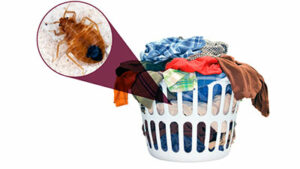
You're looking for four main clues. Live bugs are oval and flat, reddish-brown in adults. Eggs are tiny, pearly white, and about 1 mm long. Shed skins are pale tan and papery, like thin insect shells. Fecal spots look like small black dots, almost like ink marks or pepper, and on fabric they may smear slightly if dampened.
Well, actually, lint and dirt fool people all the time. Bed bug evidence tends to cluster in protected areas, not sit loosely on open fabric like random debris.
How to inspect clothing, shoes, and soft travel items before they enter the home

Worn clothes should go straight into a sealed bag, hamper liner, washer, or dryer. Not on the bed. Not on the closet floor. If you wore it during travel or stored it in the suitcase, treat it as potentially exposed.
Clean clothes need a separate plan. Keep them apart from everyday laundry until you've checked them or washed them. Bed bugs can hide in cuffs, hems, waistbands, drawstrings, bra seams, jacket linings, and folded socks. Turn items inside out if needed and give seams a quick visual scan under bright light.
Shoes deserve attention too, especially around insoles, tongues, stitching, and Velcro. The same goes for toiletry bags, reusable totes, packing cubes, stuffed travel pillows, and backpacks.
Heat works well when fabrics allow it. Laundering and then drying on high heat is one of the most reliable ways to kill bed bugs and eggs. Dryer heat in the roughly 120°F to 140°F range for about 30 minutes is commonly recommended for items that can handle it. Always check care labels first. If an item can't be washed, a careful inspection and temporary isolation in a sealed container is safer than bringing it straight into a bedroom.
How to inspect a hotel room for bed bug signs before you leave
This isn't the main event, because the home check matters most, but a quick scan before checkout can help you judge whether there was likely exposure. If you wake up with suspicious bites or notice odd spots on bedding, take a few minutes before you pack.
Pull back sheets and look along mattress seams, piping, and tags. Check box spring edges, especially the lower corners and the thin fabric stapled underneath. Look behind or around the headboard if you can do so safely. Bed frame joints, upholstered chair seams, and cracks near baseboards are also worth a glance.
You're looking for the same signs you'd check on luggage. Live bugs, shed skins, eggs, and dark fecal spots. On mattresses and encasements, those spots can look like tiny pen marks. On wood and upholstered furniture, they may appear in clusters near seams or cracks.
If you find strong evidence, bag dirty clothes separately, inspect carefully when you get home, and consider notifying the hotel. But don't assume bites alone prove bed bugs. Mosquitoes, fleas, and skin irritation can look similar.
What to do if you find possible bed bug evidence after traveling

First, don't panic. One suspicious speck doesn't always mean you've brought home bed bugs. But you do want to contain the item before deciding what it is.
Move the suspect bag, shoes, or clothing into a hard-surface area away from bedrooms and couches. A sealed plastic bag or lidded bin works well. If the item is washable, launder and dry it on heat if the fabric allows. For non-washable soft items, a dryer-only heat cycle may help if the item can safely handle it. Vacuuming luggage can remove some debris and hitchhikers, but it won't replace careful inspection.
Here's when to step up your response:
- you find a live bug
- you find several signs together, like black spots plus shed skins
- you notice repeated bites after coming home
- you find evidence near a bed, couch, or sleeping area
At that point, more inspection is warranted. Check nearby baseboards, bed frames, mattress seams, and any place the luggage sat. If you confirm live bed bugs or signs near sleeping areas, a licensed pest professional is usually the safest next move. Bed bugs are hard to eliminate fully with casual DIY methods once they spread indoors.
Common mistakes that help bed bugs spread indoors
The biggest mistake is unpacking on the bed. It feels convenient, but it's also the fastest way to move a hidden hitchhiker right next to where people sleep. Setting luggage on carpet isn't much better, because dropped bugs or eggs are harder to spot.
Another common problem is rushing. People check the big open parts of a suitcase and skip the zipper seams, pocket corners, and handle bases. But those tight, hidden spots are exactly where bed bugs prefer to sit.
And then there's shaking clothes indoors. That can scatter bugs from one item to another without you noticing. It's better to move clothing carefully into a bag, washer, or dryer.
Misidentification causes trouble too. Pepper-like dirt, mascara flakes, mold specks, and carpet fuzz get mistaken for bed bug signs all the time. Real evidence usually shows up in sheltered areas and often appears with other clues, not by itself in the middle of open fabric.
Conclusion

Start at the door. That's the heart of how to inspect for bed bugs after traveling without letting a small problem turn into a house-wide one.
Keep luggage on a hard surface, inspect before unpacking, isolate worn clothes, and use heat on washable items when you can. If you find suspicious signs, contain first and confirm carefully before moving things through the house.
A simple same-day routine goes a long way. And if you do spot real evidence, acting early gives you the best shot at stopping bed bugs before they settle in.
FAQ
How soon after traveling should I inspect for bed bugs?
The same day, ideally as soon as you get home and before you unpack. Fast inspection and containment lower the chance of bed bugs reaching bedrooms, closets, or upholstered furniture.
What do bed bug bites and bed bug evidence look like after a trip?
Bites may appear as itchy red welts, often in lines or clusters, but bites alone don't prove bed bugs. Better evidence includes live bugs, tiny white eggs, tan shed skins, and black fecal spots in seams, folds, or hidden creases.
Can bed bugs survive in luggage and clothes after travel?
Yes. Bed bugs can survive for extended periods in luggage, clothing, and other soft goods, especially if they have protected hiding spots. That's why how to inspect for bed bugs after traveling matters so much, along with isolation and heat treatment when appropriate.