Why Do Ants Keep Coming Back in the Bathroom?
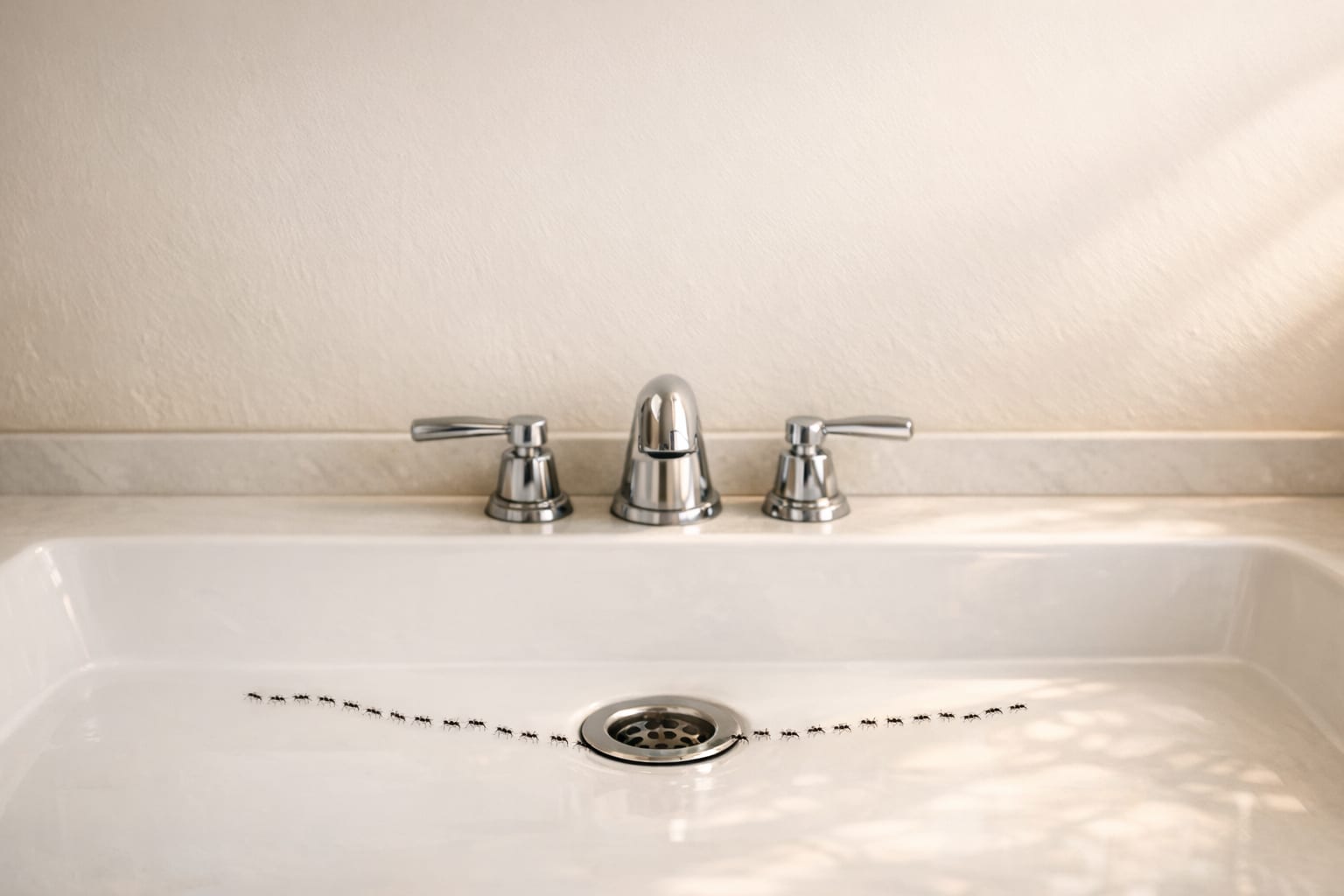
Ever wipe up a line of ants in the bathroom, feel pretty good about it, then spot them again the next morning? It's frustrating. And a little creepy, honestly, when they're showing up near the sink or tub where you expect things to be clean.
If you're wondering why do ants keep coming back in the bathroom, the short answer is that bathrooms often give ants exactly what they need. Moisture, tiny entry gaps, and sometimes a nest close by. This guide will help you figure out what's drawing them in and how to stop the repeat visits for good.
- They keep returning because the bathroom gives them water, access, and often a trail to follow
- What attracts ants to bathrooms, and how do they get inside?
- How to tell a scout problem from an active infestation
- Bathroom inspection checklist: where to look first
- How to stop bathroom ants from returning long term
- When to seek professional help
- Conclusion
- FAQ
They keep returning because the bathroom gives them water, access, and often a trail to follow
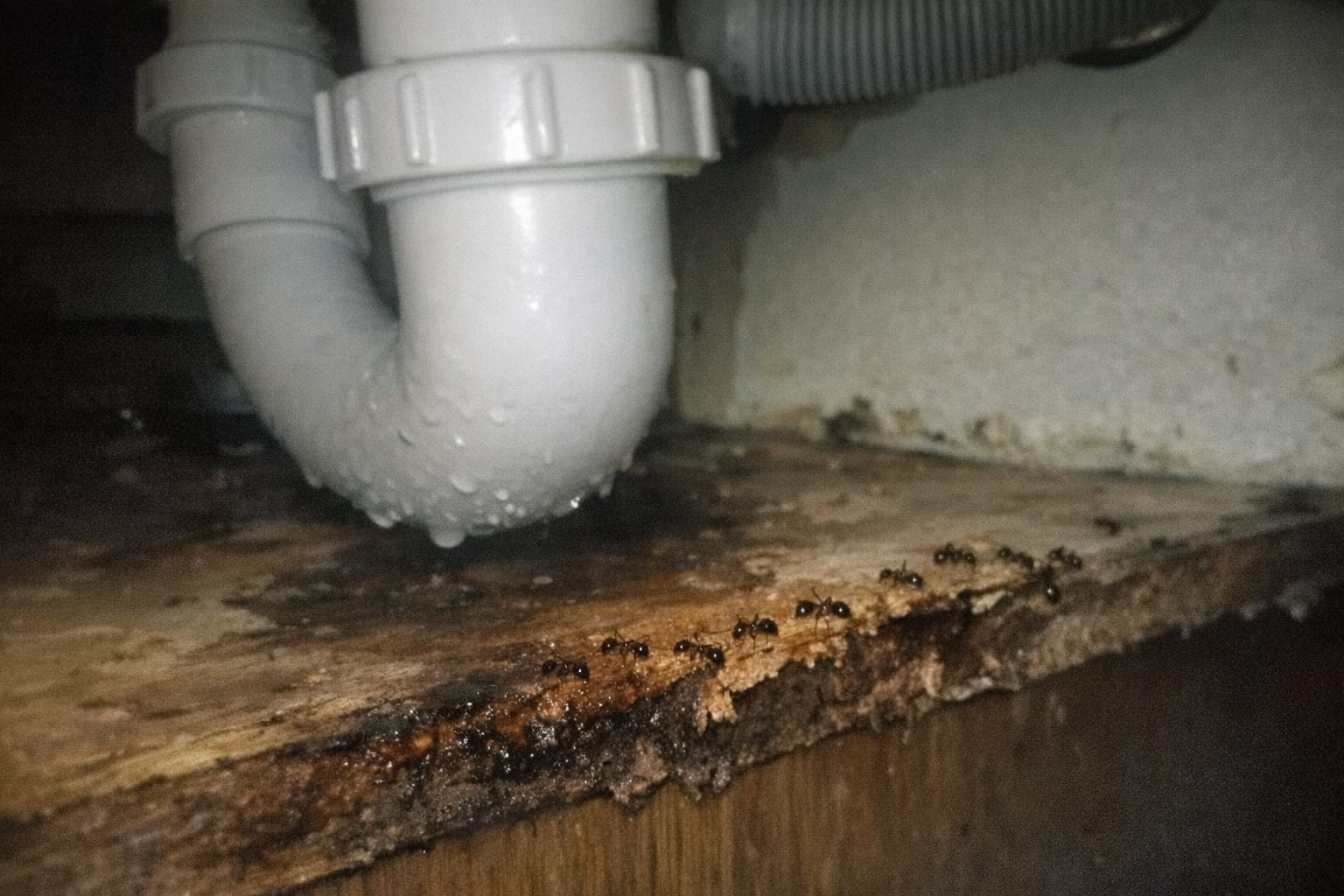
If you're asking why do ants keep coming back in the bathroom, the biggest reason is usually moisture. Ants need water just as much as food, and a bathroom can offer plenty of it even when everything looks clean. A slow drip under the sink, damp grout, condensation on pipes, or a wet bath mat can be enough.
Bathrooms also have lots of hidden access points. Pipes pass through walls. Caulk cracks. Baseboards separate a little from the floor. Ants can squeeze through openings just a few millimeters wide, so what looks tiny to you may be a wide-open doorway to them.
And there's one more piece. Ants don't usually wander at random for long. When a foraging ant finds water or a useful route, it can leave behind a pheromone trail, which is a scent marker other ants follow. That's why killing the ants you see often doesn't solve the real problem. The trail is still there, and the bathroom is still useful to the colony.
So if they keep coming back, think less about the few ants you noticed and more about the conditions that are inviting them in.
What attracts ants to bathrooms, and how do they get inside?
Bathrooms attract ants mostly because they're damp. Even a small amount of moisture can keep foraging ants interested. Common draws include leaks under sinks, condensation on supply lines, wet towels left in a pile, poor ventilation after showers, and little puddles near the tub or toilet base. You may not see standing water, but ants don't need much.
Sometimes the attraction isn't just water. Scented soaps, toothpaste residue, lotions, and even pet products stored in a bathroom can leave behind sugary or oily traces. Not a feast. But enough for ants to investigate, especially in warm weather.
As for how they get in, the list is longer than most people expect. They can enter through gaps around plumbing penetrations, damaged caulk at tubs and sinks, cracks along baseboards, spaces behind vanities, wall vents, and gaps where flooring meets the wall. In apartments or condos, shared walls make things trickier because ants may be traveling from a neighboring unit.
Have you ever noticed how ants seem to appear from nowhere? They usually aren't. They're just using hidden routes behind walls, under cabinets, or along pipe lines where you rarely look. That's why bathroom ant problems can feel mysterious when they're actually very physical and pretty traceable.
How to tell a scout problem from an active infestation
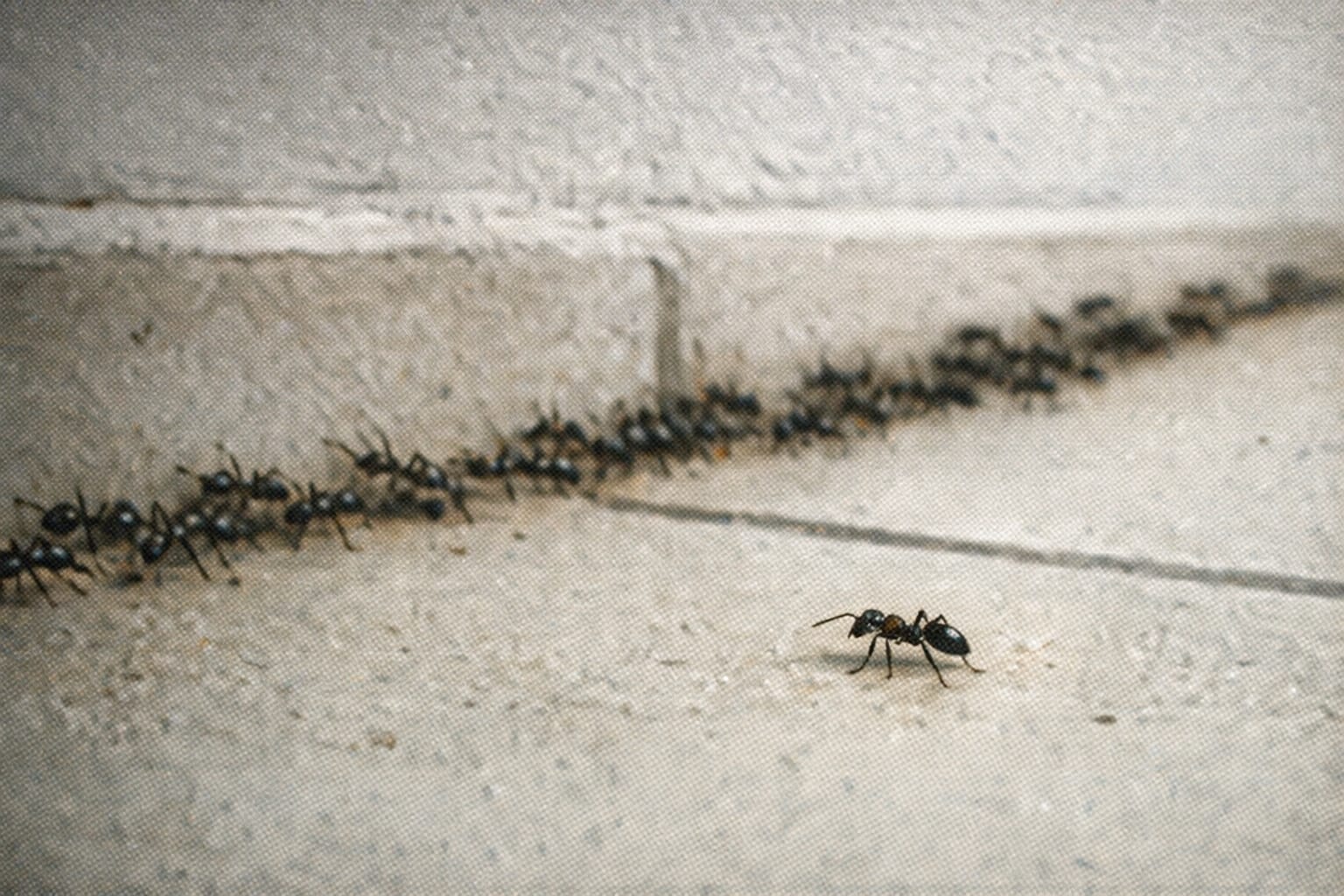
A few ants don't always mean you have a major infestation. Sometimes you're seeing scouts. These are worker ants searching for water or food, often after rain, during a hot spell, or when outdoor conditions change fast. You might see one or two near the sink, then nothing for a day or two.
But repeated activity tells a different story. If ants show up at the same time each day, follow the same path, or start appearing in more than one room, there's a good chance you're dealing with an active trail tied to a nearby colony. That colony may be outside near the foundation, inside a wall void, or close to plumbing where moisture stays steady.
A few signs point to something more than scouting:
- Repeated ant trails along the same edge, pipe, or counter line
- Activity in the bathroom plus kitchen, laundry room, or another damp area
- Ants emerging from wall gaps, vanity backs, or plumbing penetrations
- More ants after cleaning, especially within 24 hours
- Ongoing activity during dry indoor conditions
Wait, let me clarify. Seeing a few ants once doesn't prove much. Seeing them return daily usually means the colony has learned the bathroom is reliable. And since ants communicate with scent trails, killing the visible workers removes only the mess you can see, not the route or the source.
Bathroom inspection checklist: where to look first
A good inspection beats guesswork every time. Do it when the bathroom has been unused overnight if you can. That makes fresh moisture, hidden movement, and dry-versus-damp areas easier to spot. Bring a flashlight, kneel down, and check slowly.
Even minor leaks and long periods of humidity can support ants when no puddle is visible. So you're not just looking for obvious water. You're looking for dampness, staining, smell, soft material, and tiny gaps.
Under-sink and vanity inspection
Open the cabinet and check the corners first. Look at supply lines, shutoff valves, the drain trap, and the back wall where pipes enter. Run your hand along surfaces for dampness, and look for water staining, swollen particleboard, or a musty smell.
Use the flashlight on the back edge of the vanity and around pipe openings. Ants often travel where dark surfaces meet. If you see a few workers hugging those lines, that's useful evidence.
Toilet, tub, and shower inspection
Check around the toilet base for loose caulk, damp flooring, or staining. A failed wax ring can sometimes create hidden moisture around the base, even before there's an obvious leak. Around the tub and shower, inspect grout lines, corners, and caulk seams for gaps or soft spots.
Lift rugs and mats. Then compare dry areas to spots that stay cool or slightly damp after the room should've dried out. That's often where ants pause or gather.
Perimeter and plumbing entry-point inspection
Follow the room's perimeter at floor level. Check baseboards, flooring edges, vent covers, and wall penetrations where plumbing disappears into the wall. Ants can use hairline cracks, loose trim, and damaged caulk as entry routes.
In multi-unit buildings, pay close attention to shared walls. If activity is strongest near one wall and your bathroom is otherwise dry, the source may be next door or in a shared utility space.
How to stop bathroom ants from returning long term
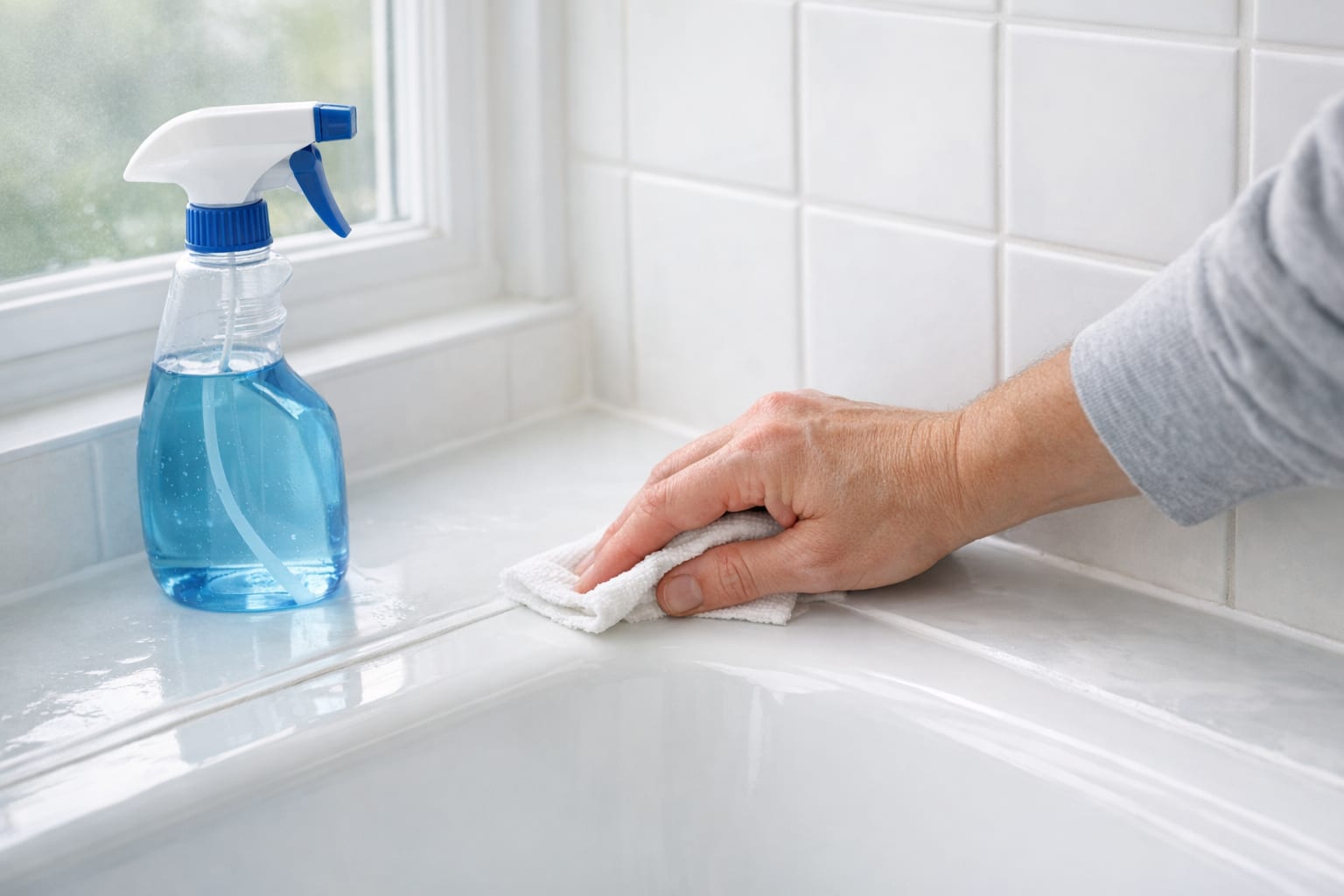
The best fix follows a simple order. Dry first, repair second, seal third, then clean and monitor. If you skip straight to sprays, you may kill a few ants without removing the reason they came.
Soap and water matters more than people think. It helps remove the pheromone trail that guides other ants back to the same route. And once the area is dry and sealed, the bathroom becomes much less useful to the colony.
Step 1: Remove moisture and confirm no hidden leak
Start with the water issue. Run the exhaust fan during and for 20 to 30 minutes after showers. Hang towels so they dry fully. Wipe standing water from counters, sink rims, and the floor near the tub.
Then check under sinks, around toilets, and behind fixtures for leaks. Look for drips, corrosion, warped wood, and recurring condensation on cold pipes. If needed, wrap sweating pipes with insulation sleeves to cut condensation.
Step 2: Seal access points and reduce re-entry
Once things are dry, seal the easy access routes. Use caulk around gaps at baseboards, pipe penetrations, and cracked edges near vanities or tubs. If a gap is large around plumbing, a suitable sealant or backing material may be needed before caulking.
Don't block areas that need drainage or service access. But do close the small cracks ants are using to move from wall voids into the room. Tiny gaps matter here. Really.
Step 3: Clean trails and reduce attractants
Wash counters, baseboard edges, and visible ant routes with soap and water. Focus on places where you saw movement, especially near sink edges and cabinet seams. Store toiletries with sweet or oily residue closed up, and keep pet products sealed if they're stored nearby.
Avoid random aerosol sprays as your main plan. Many sprays repel or scatter ants, which can make trails harder to track and sometimes spread activity to a second route. If you use bait, don't spray over or near it, because that can keep ants from taking it back to the colony.
When to seek professional help
Sometimes bathroom ants are simple. Sometimes they're not. If you've dried the room, fixed leaks, sealed gaps, cleaned trails, and the ants still keep showing up for more than 1 to 2 weeks, it's time to think bigger.
Large numbers of ants, activity coming from inside walls, or repeated infestations across several rooms can point to a colony that's not easy to reach. The same goes for apartments and condos, where ants may be traveling through shared walls or from a neighboring unit. In that case, your bathroom cleanup helps, but it may not solve the full problem.
Call a pro sooner if you suspect carpenter ants. They're larger than many common house ants and can be linked to damp, damaged wood. If you notice rustling in walls, frass, which is sawdust-like debris, or soft wood near plumbing, get it checked.
A good pest professional should inspect for moisture, entry points, and species, not just offer a spray. That's the difference between a temporary treatment and an actual answer.
Conclusion
So, why do ants keep coming back in the bathroom? Usually because the room keeps offering what they want. Moisture, a hidden way in, or a nearby colony that's learned the route.
The fix is usually practical, not fancy. Inspect carefully. Dry the space. Repair leaks. Seal gaps. Clean trails with soap and water instead of only killing the ants you can see.
Most bathroom ant problems get much easier once you remove the reason they're visiting. Do that, and the repeat appearances usually start to fade.
FAQ
Why do ants keep coming back in the bathroom even after I kill them?
Because killing the ants you see doesn't remove the pheromone trail, nearby nest, or moisture source attracting them. New workers can keep following the same route until you clean the trail and fix the cause.
Can ants in the bathroom mean a hidden leak?
Yes. Recurring ants can point to a slow plumbing leak, condensation problem, or damp wall cavity. If ants keep gathering near sinks, toilets, or tubs, check for hidden moisture.
What is the fastest way to stop ants in the bathroom?
Dry the area first, then wash ant trails with soap and water. After that, seal obvious gaps and check for leaks so the ants lose both the route and the reason to return.