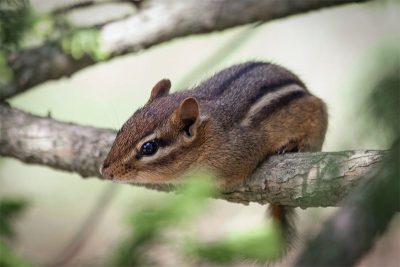
How to Identify Chipmunk Damage in the Yard

Have you ever spotted a neat little hole near the patio and wondered if something tiny is quietly remodeling your yard? Chipmunks can do that. Their damage often looks subtle at first, which is why people mix it up with mole, vole, or squirrel activity all the time.
If you're trying to figure out how to identify chipmunk damage in the yard, start with the pattern, not just the hole. Chipmunk damage usually means small, clean openings, light digging, and disturbed plants in the same few protected spots. Below, you'll learn how to confirm that, compare it with lookalike pests, and decide what to do next.
The clearest signs point to small, tidy burrows
The fastest way to identify chipmunk damage is to look for small, clean entry holes about 1.5 to 2 inches wide. These openings are usually round and tucked beside cover, like a foundation wall, stone border, steps, or woodpile. You may also see a little loose soil nearby, though not always a big mound.
Chipmunks don't usually leave the raised ridges that moles make across lawns. And they don't create large den openings like groundhogs. Their digging tends to be lighter and more targeted. Think shallow scoops in mulch, small excavations around bulbs, and missing seedlings that look pulled or nibbled.
They also cache food, which means they gather and store it. So if birdseed keeps vanishing near a burrow, or you find nuts and seeds tucked under mulch or near a rock edge, that's another clue. The same goes for repeated disturbance in one small area.
This is really the core of how to identify chipmunk damage in the yard. Look for size, shape, and location working together. One sign alone can fool you. A cluster of matching signs usually won't.
What Chipmunk Damage Looks Like and Where It Shows Up

Chipmunk damage often has a neat, almost careful look. The holes are usually cleanly cut, not ragged. The digging is shallow, as if someone scraped out a small handful of soil with a trowel. In garden beds, mulch may look kicked aside in a fan shape. Around spring bulbs or new seedlings, the soil can look lightly stirred, with roots or shoots disturbed but not torn apart.
You may notice chewed bulbs, missing seeds, half-eaten fruit, or seedlings that were fine yesterday and tipped over by morning. Chipmunks will also nibble on tender plant material and dig where they smell stored food. I once wondered if a few missing sunflower sprouts were birds. But the small burrow under the retaining wall told the real story.
These animals like edges and cover. So check near foundations, patios, retaining walls, rock borders, brush piles, stacked firewood, dense shrubs, bird feeders, and garden beds. Those places give them shelter from predators and quick access to food.
Attractants matter too. Spilled birdseed, pet food, fallen fruit, acorns, and thick ground cover make a yard much more inviting. If you want to get better at how to identify chipmunk damage in the yard, pay attention to where the damage repeats. Chipmunks usually stick close to safe hiding places.
How to Tell Chipmunk Damage Apart from Other Yard Pests
Chipmunk signs can look similar to other pests at first glance, but the differences are pretty consistent. Moles usually create raised surface tunnels and volcano-like molehills. If your lawn has soft ridges you can feel underfoot, that's much more likely to be mole activity than chipmunk activity.
Voles are different. They tend to leave narrow surface runways through grass or mulch, almost like tiny trails, along with clipped vegetation and gnaw marks near the ground. Their holes are usually connected to those runways. Chipmunks don't normally make those worn paths across the lawn.
Squirrels often leave shallow, messy digging where they bury or recover nuts. Their holes are more random and less tied to a burrow entrance. Skunks make small cone-shaped digs while hunting grubs and insects. The yard can look peppered with little nose-poke holes overnight. Groundhogs leave much larger burrow openings, often 6 inches or more, and can flatten bigger plants as they move around.
Wait, let me clarify. A chipmunk hole by itself isn't enough for a positive ID. What matters is the whole scene. Clean round opening, little soil, nearby cover, daytime activity, and repeated disturbance around seeds or bulbs. That's the pattern that separates chipmunks from the rest.
How to Check Your Yard for Fresh Chipmunk Activity

Fresh activity is the part many people miss. An old burrow can sit for weeks, even months, without telling you who's there now. If you want a practical answer to how to identify chipmunk damage in the yard, check for signs that the site is active today, not just damaged in the past.
Step 1: Inspect from a safe distance
Start by walking the yard in daylight, especially early morning or late afternoon when chipmunks are often active. Stay a few feet back from any hole. Don't put your hand inside, and don't poke deeply into it with a stick. Other animals may use abandoned burrows.
Look around likely hiding places:
- foundations, steps, and patios
- retaining walls, rock borders, and woodpiles
- brush piles, bird feeders, and dense vegetation
Fresh chipmunk spots often have loose soil, disturbed mulch, or repeated shallow digging close to those protected edges.
Step 2: Measure and document the evidence
Take a photo of each hole and place a ruler or tape measure beside it. Chipmunk entrances are usually about 1.5 to 2 inches across. Larger holes may point to rats, groundhogs, or another burrowing animal.
Write down where each hole is and what's nearby. Helpful details include:
- whether it's near a foundation, bed edge, feeder, or stone wall
- signs of spilled seed, fallen fruit, pet food, or nuts
- whether plants, bulbs, or seedlings are being disturbed in the same area
This small record helps a lot if the damage keeps coming back.
Step 3: Decide whether the activity is fresh
Fresh chipmunk activity usually looks loose and active, not weathered. Soil near the entrance may be fluffy, dry, and recently moved. Mulch may look pushed back with crisp edges instead of settled flat. And if you smooth the soil lightly nearby, new disturbance within a day or two can confirm ongoing use.
Also watch for daytime movement. Chipmunks are active during the day, unlike many rats and mice. You might see one dash along a wall, freeze, then disappear into cover. Tracks can show up in soft soil, and cached food like seeds or nuts tucked near a hole is another strong clue.
If the same spot keeps getting dug up every few days, that's a sign the problem is current, not old.
What to Do Next: Low-Risk Prevention and When to Call a Professional
Once you've worked out how to identify chipmunk damage in the yard, the next step is making the area less attractive. Start with food. Clean up spilled birdseed, bring pet food indoors, pick up fallen fruit, and harvest ripe garden produce quickly. Small changes like that can reduce repeat visits more than people expect.
Then look at cover. Brush piles, overgrown borders, rock stacks, and low gaps under steps or sheds give chipmunks shelter. Thinning dense hiding spots and keeping firewood stacked neatly off the ground can help. In garden beds, simple barriers around bulbs or seedlings may protect the plants that chipmunks target most.
Keep watching the same trouble spots for a week or two. If new holes keep appearing near a patio edge, retaining wall, or foundation, that's worth taking seriously. Repeated burrowing near structures can slowly undermine soil in localized areas. And if there are signs of chewed wiring, damage under stoops, or much larger tunnels than expected, it may not be chipmunks at all.
That's when a wildlife control or pest professional makes sense. A good pro should confirm the animal first, explain the evidence, and offer a plan that focuses on exclusion and habitat changes, not just quick treatments. If someone jumps straight to an expensive package without showing you the signs, keep looking.
Conclusion

Small, tidy holes. Shallow digging. Disturbed bulbs and seedlings near cover. That's the usual picture of chipmunk yard damage.
If you're learning how to identify chipmunk damage in the yard, focus on the full pattern. Measure the openings, look for fresh loose soil, check for daytime activity, and compare the damage with moles, voles, skunks, squirrels, and groundhogs. A careful look now can save you money and guesswork later. And once you know what you're dealing with, stopping repeat damage gets a whole lot easier.
FAQ
What size holes do chipmunks usually leave in the yard?
Chipmunk burrow openings are usually small, clean, and about 1.5 to 2 inches wide. Loose soil around the entrance can make them look a bit larger at first glance.
How can I tell chipmunk damage from mole or vole damage?
Moles usually leave raised surface tunnels and molehills, while voles make surface runways and clip grass or plants near the ground. Chipmunks more often leave neat entrance holes and shallow digging near garden beds, walls, or hardscape edges.
Do chipmunks damage plant roots, bulbs, or foundations?
Yes, they can disturb bulbs, seeds, seedlings, and sometimes roots while digging or feeding. Burrows near foundations, steps, or patios are worth watching, and if the activity keeps returning, a professional inspection may be a smart next step.