Finding a bug in your hair is extremely unsettling, and an itchy scalp can be very unpleasant. Bed bugs, ants, fleas, head lice, and spiders can occasionally be found in hair.
Bed bugs do not live in hair. They lack the physical adaptations necessary to cling to hair, fur, or feathers. If you find one in your hair, it most likely crawled up your bedding and bit your scalp while you were sleeping. Once bed bugs feed, they do not remain in hair to lay eggs—they return to hiding spots within 8 feet of where people sleep.
Unfortunately, fleas and head lice can look similar to bed bugs. This article will help you distinguish between these pests and provide guidance on proper identification and treatment.
Identifying If An Insect Is A Bed Bug In Your Hair

Many insects are commonly mistaken for bed bugs. While fleas may bite a human’s scalp, they do not live in human hair. Ants and spiders also do not inhabit hair. Head lice, however, do live and lay eggs (nits) in human hair.
If an insect is found in your hair, it’s most likely head lice, or the itchy scalp may simply be from dandruff.
The following table compares the key characteristics of bed bugs, head lice, and fleas:
| Characteristics | Bed Bugs | Head Lice | Fleas |
|---|---|---|---|
| Life Cycle |
|
|
|
| Color |
|
|
|
| Size |
|
|
|
| Other Features |
|
|
|
| What They Feed On |
|
|
|
| Where They Typically Bite |
|
|
|
| Where They Lay Eggs |
|
|
|
Why Bed Bugs Don’t Live In Hair
While a stray bed bug may temporarily crawl across your scalp and feed near the hairline, they are not adapted to live in hair for several important reasons:
- Anatomical Limitations: Bed bugs lack the specialized clawed legs that lice and ticks have to grasp and cling to hair shafts
- Preferred Habitat: Bed bugs prefer cool, dark, secluded spaces like mattress seams and furniture crevices where they can remain undisturbed during the day
- Feeding Behavior: Bed bugs feed every 5 to 10 days (they can survive up to 12 months without feeding), then immediately return to their hiding spots to digest
- Risk of Detection: Humans move frequently during the day, risking the bed bugs being crushed or washed away in the shower (water over 118°F for 20 minutes kills bed bugs)
Bed bugs spend most of their time hiding in undisturbed locations during the day, emerging at night to feed when hosts are immobile.
What To Do If You Find A Bed Bug In Your Hair
If you find a bed bug in your hair, it likely indicates an infestation elsewhere in your home. Follow these comprehensive steps:
Immediate Actions
-
Confirm Identification:
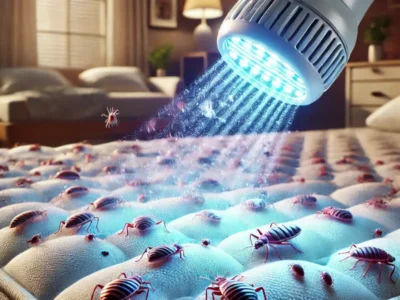
Use the comparison table above to properly identify the pest. If you’re uncertain, contact a pest control professional for accurate identification. You can also use UV light detection methods to help identify bed bugs and locate hiding spots. -
Wash Your Hair Immediately:
Use the hottest water temperature you can safely tolerate. Regular shampoo is sufficient for removing bed bugs from hair—they don’t require special treatment since they don’t live there. -
Bag Clothing and Bedding:
Immediately place sleeping clothes and bedding into double-knotted plastic bags to prevent bed bugs from spreading to other areas while awaiting laundering.
Using Shampoo For Bed Bugs (If Needed)
While regular shampoo and hot water are typically sufficient, you may consider using head lice treatment products for additional peace of mind.
Head lice shampoos containing pyrethrins or permethrin can kill bed bugs, but these products are designed for lice and may have specific safety warnings. Always read product labeling carefully before use.
About Pyrethrin-Based Shampoos:
- Pyrethrins are extracted from chrysanthemum flowers and work by paralyzing insects’ nervous systems
- According to Oregon State University Extension, pyrethrins are generally low in toxicity to humans and mammals when used as directed
- These products kill live insects but do NOT kill eggs—repeat treatment after 7-10 days is necessary
- May cause skin, eye, or respiratory irritation in some individuals
- Some people may be allergic to chrysanthemum-derived products
How To Use Head Lice Shampoo (If Choosing This Option):
- Apply to dry hair and scalp
- Work thoroughly into all areas, especially behind ears and at the nape of the neck
- Leave on for 10 minutes (use a timer—do not exceed recommended time)
- Add small amount of warm water to create lather, then rinse thoroughly
- Use a nit comb while rinsing to remove any bed bugs
- Repeat in 7-10 days if needed
Common OTC Pyrethrin-Based Products

Over-the-counter options include:
- RID Lice Killing Shampoo
- A-200 Lice Treatment
- Pronto Lice Killing Shampoo
- Generic pyrethrin/piperonyl butoxide combinations
Note: These products are FDA-regulated for head lice treatment. Follow package directions exactly and consult a healthcare provider if you have concerns.
Launder Everything In Hot Water
Wash all bedding, pajamas, and recently worn clothing in hot water (at least 130°F) and dry on high heat for at least 30 minutes. For detailed instructions, see our complete guide on how to get rid of bed bugs on clothes using heat treatment.
Consider using specialized laundry additives designed for bed bug elimination, though hot water and heat drying are typically sufficient.
Inspect And Treat The Infestation Source
Finding a bed bug in your hair almost certainly means there’s an infestation elsewhere. You must locate and treat the source:
- Inspect mattress seams, box springs, and bed frames with a flashlight
- Check furniture within 8 feet of the bed
- Look for dark spots (fecal matter), shed skins, and live bugs
- Inspect cracks and crevices in baseboards and walls
- Use interceptor traps under bed legs
- Consider mattress and box spring encasements
Effective treatment typically requires:
- High heat treatment (steam cleaning, heat chambers)
- Thorough vacuuming and disposal of vacuum contents
- Bed bug-specific insecticide sprays (when appropriate)
- Professional pest control services for severe infestations
If The Bug Is Actually Head Lice Or Fleas
If you’ve identified the pest as head lice or fleas (not bed bugs), treatment differs significantly:
For Head Lice:
- Use FDA-approved OTC or prescription lice treatments
- Use a fine-toothed nit comb to remove eggs attached to hair shafts
- Treat all household members who have lice
- Wash bedding, clothing, and personal items in hot water
- Avoid head-to-head contact until treatment is complete
For Fleas:
- Treat all pets with veterinarian-approved flea treatments
- Vacuum thoroughly and frequently
- Wash all pet bedding in hot water
- Consider professional pest control for severe infestations
- Treat outdoor areas where pets spend time
Prevention Strategies
To prevent bed bugs from accessing your hair and scalp:
- Regularly inspect mattresses, bedding, and furniture for signs of bed bugs
- Use mattress and pillow encasements designed to prevent bed bug access
- When traveling, inspect hotel rooms before unpacking
- Keep luggage elevated and away from beds when traveling
- Wash and heat-dry clothes immediately after returning from travel
- Reduce clutter near sleeping areas
- Seal cracks and crevices in walls and baseboards
Conclusion
Bed bugs do not live in human hair because they lack the anatomical features necessary to cling to hair shafts. If you find a bed bug in your hair, it crawled there temporarily while seeking exposed skin to feed on.
The key steps are:
- Properly identify the insect (bed bug vs. lice vs. flea)
- Wash your hair with hot water and regular shampoo
- Launder all bedding and clothing in hot water (130°F+) and dry on high heat
- Locate and treat the actual infestation source in your home
While finding any bug in your hair is unsettling, bed bugs in hair are uncommon and temporary. Focus your efforts on identifying and eliminating the primary infestation in mattresses, furniture, and other hiding spots.
If DIY methods fail to eliminate the infestation, or if you’re dealing with a severe or widespread problem, consult professional pest control services for comprehensive treatment and follow-up.