How to Keep Bats Out of Your Attic Legally

Have you ever heard a faint squeaking near the roof at dusk and thought, what on earth is that? Then you spot a little pile of dark droppings in the attic. Not mouse droppings. Different. That's the moment a lot of homeowners realize they may have bats.
If you're searching for how to keep bats out of your attic legally, the answer is simpler than most of the internet makes it sound. You don't trap them, poison them, or block them in. You use a humane method called exclusion, and you do it at the right time.
- The legal way is humane exclusion, then sealing once they're gone
- Why bats get into attics and how to tell you have a bat problem
- Step-by-Step Legal Bat Exclusion Process
- What not to do when bats are in the attic
- When bat removal is not legal, not safe, or best left to a licensed professional
- How to seal the home after bats leave and prevent them from returning
- Conclusion
- FAQ
The legal way is humane exclusion, then sealing once they're gone

If you want a direct answer to how to keep bats out of your attic legally, here it is. Use one-way exclusion devices that let bats leave, then seal the openings only after you're sure every bat is out.
That matters because bats are protected or regulated in many states. Some species are threatened. Even where they aren't, wildlife rules often limit when and how you can remove them. If you seal an attic while bats are still inside, you can trap them in walls, ceilings, or living spaces. That's inhumane, and in some places it may also violate wildlife laws.
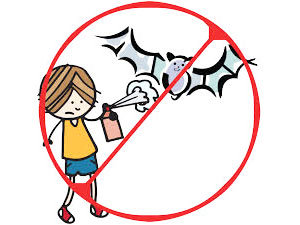
The methods to avoid are the same ones people often panic-buy. Poisons, glue traps, smoke, mothballs, and ultrasonic gadgets aren't the legal fix here. They're also poor solutions in real houses. Dead bats in walls smell awful. Scared bats can end up inside your home. And repellents usually don't solve the actual problem, which is access.
So the first move is not buying a spray or trap. It's checking your state wildlife agency guidance, then planning exclusion at a legal time of year. For many homes, that's the difference between a clean fix and a much bigger mess.
Why bats get into attics and how to tell you have a bat problem
Bats aren't trying to wreck your house. They're looking for a safe roost, which is just a place to rest and raise young. An attic gives them what a hollow tree often used to. Warmth, darkness, high shelter, and protection from predators. On a summer evening, an attic can hold heat like a parked car, and bats like that.
They're also incredibly good at finding tiny gaps. Some bats can squeeze through openings about 3/8 inch wide, which is smaller than many people expect. That means loose flashing, gaps along fascia boards, ridge vents, soffits, chimney joints, and warped siding can all become entry points.
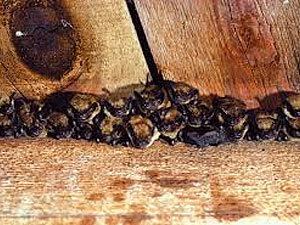
The signs are usually pretty clear once you know what to look for. You may hear light squeaking or faint scratching near dusk or before dawn. You might see bats flying out around sunset, often from the same spot each night. Guano, which is bat droppings, may collect on attic insulation or below entry holes. It tends to crumble more easily than rodent droppings and may contain shiny insect bits.
Look outside, too. Greasy smudge marks can build up around active holes from body oils and repeated rubbing. And if you notice a musty smell in the attic, especially during warm weather, a colony may be larger than you think.
Step-by-Step Legal Bat Exclusion Process

The legal answer to how to keep bats out of your attic legally is a careful sequence, not a rush job. Done right, it removes the colony without harming it and helps stop repeat visits. Timing matters a lot here. In many U.S. areas, exclusion is avoided during maternity season, often spring through early summer, because baby bats may be present and unable to fly. State rules and bat species can change that window, so always check local guidance first.
1. Inspect and document exit points at dusk
Stand outside at sunset and watch the roofline for 30 to 60 minutes. You're looking for where bats emerge, not just where you think they might be hiding. Common spots include ridge vents, soffits, chimney flashing, and gaps at fascia boards.
Watch for fresh guano below openings and brown or dark stains around gaps. Those clues help confirm which openings are active. If you can, repeat the check for two nights. Bats are creatures of habit, and patterns help.
2. Seal secondary gaps before installing devices
Once you've found the main exits, seal every other gap that bats could use instead. This step is easy to skip, but it's crucial. If you leave alternate holes open, bats may simply move a few feet over and stay in the attic.
Use durable materials like metal flashing, hardware cloth, or high-quality exterior sealant where appropriate. Avoid stuffing holes with soft material alone, since weather and animals can pull it loose.
3. Install one-way exclusion devices on primary openings
Place a one-way bat valve, tube, cone, or netting device over the main active exit holes. These let bats crawl or fly out, but block them from getting back in. That's the whole idea.
Wait, let me clarify. You do not seal the main holes yet. The device has to stay in place long enough for all bats to leave naturally at night.
4. Wait, verify, then finish sealing
Leave the devices up for several nights, often at least 5 to 7 nights if weather is normal and bats are active. Then watch again at dusk. If no bats are exiting and no fresh guano is appearing, you can move to final sealing.
At that point, remove the one-way devices and permanently close the last openings. The home isn't protected until every gap is sealed. Miss one tiny hole, and the problem can start all over again.
What not to do when bats are in the attic
A lot of bat advice online sounds easy, but it falls apart in a real attic. Mothballs are a common example. They're not a reliable bat solution, and in enclosed spaces they can add fumes you don't want around kids, pets, or indoor air. Same story with smoke or fogging products. They stress animals, create safety risks, and usually don't fix entry points.
Poison is worse. There's no good version of this in a house. Poisoned bats can die inside walls or insulation, which leads to odor, insects, and contamination. Glue traps are inhumane and can leave you handling panicked animals at close range. That's not safe.
Ultrasonic devices also disappoint a lot of homeowners. They may sound high-tech, but research and field experience don't show dependable long-term bat control in attics. Bats often ignore them or shift deeper into the structure.
And don't seal the attic while bats are still inside. This is the mistake that causes the biggest mess. Trapped bats may die, search for another way out, or end up in bedrooms and living areas. If a bat appears in a room where people were sleeping, treat it as a possible rabies exposure and call your local health department or animal control for guidance.
When bat removal is not legal, not safe, or best left to a licensed professional

Sometimes the safest choice is to stop and call a pro. If it's maternity season and there may be non-flying pups in the attic, exclusion is usually delayed until the young can fly. In many regions, that means spring into early summer, though the exact timing depends on state rules and species. A licensed wildlife professional will know the local window.
You should also get help if the colony is large, the roof is steep, or the entry points are high and hard to reach. Working near gables, ridge vents, or second-story chimney flashing is risky. And if you've already tried exclusion once and bats came back, a pro can usually spot the missed gap faster than a homeowner can.
Here's a simple way to think about it:
| Situation | DIY may be reasonable | Call a licensed pro |
|---|---|---|
| Small, visible entry points on an easy roofline | Yes, if legal timing allows | Optional |
| Maternity season or baby bats suspected | No | Yes |
| Bat found in a bedroom or possible bite contact | No | Yes |
| Large colony or heavy guano buildup | Usually no | Yes |
| Steep roof, tall home, repeated re-entry | Usually no | Yes |
Cleanup matters too. Bat guano can grow a fungus linked to histoplasmosis, a lung disease people can get from breathing contaminated dust. Don't dry sweep or use a leaf blower in the attic. Wear gloves, eye protection, and a tight-fitting respirator if you're handling small amounts. For bigger messes, HEPA vacuuming and insulation removal are often best done by a remediation crew.
How to seal the home after bats leave and prevent them from returning
Once all bats are out, your focus shifts from removal to hardening the house. This is the long-term part of how to keep bats out of your attic legally. You inspect every place where roof sections meet, where vents pass through, and where trim has pulled away over time. Tiny construction gaps are what let bats back in.
Check soffits, fascia, ridge caps, gable vents, roof flashing, attic louvers, and chimney joints. Replace damaged vent screens with sturdy metal mesh. Re-secure loose flashing. Seal narrow cracks with exterior-grade materials that can handle sun, rain, and temperature swings. If wood is rotting, replace it instead of sealing over it.
Tree limbs close to the roof don't cause every bat problem, but trimming them can reduce easy access and make inspection easier. After storms, high winds, or freezing winters, re-check the roofline. Houses shift. Caulk cracks. Screens loosen. A gap that wasn't there in May might be there by October.
The goal isn't to make the house hostile. It's to make it unavailable. Once every opening larger than about 3/8 inch is addressed, bats usually move on to a better roost outside, where they belong.
Conclusion

The safest answer to how to keep bats out of your attic legally is still the same. Let them leave through one-way exclusion devices, then seal the home only after you've confirmed they're gone.
Don't rely on poison, smoke, mothballs, or gadgets. They don't solve the real issue, and they can make things worse. Check your state wildlife rules, avoid maternity season, and take cleanup seriously if guano has built up.
A careful, humane fix protects your attic and leaves the bats alive to do their job outdoors.
FAQ
Is it legal to remove bats from an attic yourself?
Sometimes, yes. It can be legal if you use humane exclusion, follow state and local wildlife rules, and don't remove bats during protected maternity periods.
When is bat exclusion not allowed because of baby bats?
Exclusion is usually avoided during maternity season, often from spring into early summer. That's when flightless pups may be present, and sealing adults out can leave babies trapped inside.
How do you know bats are completely out before sealing the attic?
Watch the house at dusk for several nights and confirm no bats are exiting. Also check that the one-way devices are inactive and that no fresh guano is appearing before you do the final sealing.