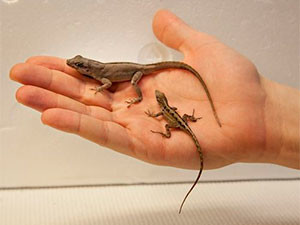
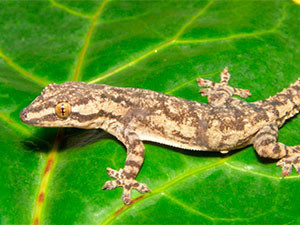
Have you ever flipped on a porch light at night and seen tiny lizards waiting nearby like they're clocking in for dinner? In warm places, that usually isn't random. They're there because the house is giving them food, moisture, shelter, or a simple way inside.
That's why lizard proofing a house in warm climates works best when you stop the attraction first, then block access. Below, you'll learn the practical fixes that matter most, which common repellents usually disappoint, and when repeat sightings mean it's time to bring in help.
- Remove food, moisture, and easy entry first
- Find and seal the entry points lizards use most often
- Reduce insects, clutter, and hiding spots around the home
- Lighting and moisture control make warm-climate homes less inviting
- What works, what is inconsistent, and when to call a professional
- Conclusion
- FAQ
Remove food, moisture, and easy entry first

The most effective way to handle lizard proofing a house in warm climates is to make your home less rewarding to visit. That means cutting down the insects lizards eat, drying out damp areas, and sealing the small gaps they use to slip indoors. If you only chase individual lizards or spray random repellents, new ones often show up for the same reasons.
Lizards usually aren't trying to invade your home the way mice do. They're following conditions. A bright entry light draws insects. A wet AC line creates moisture. A gap under the back door gives easy access. Put those together, and the house starts acting like a feeding station.
Why this works better than quick fixes
Quick fixes target the lizard you can see. Long-term prevention targets the reason it showed up. That's a big difference.
If insects are gathering on your patio every night, lizards will keep hunting there. If your garage weather seal has a 1/4 inch gap, small lizards can still get in even after you sweep one out. Exclusion and habitat changes break the cycle instead of restarting it every week.
The three priorities: food, moisture, entry
Think of your plan in this order.
First, remove food. Fewer insects usually means fewer lizards. Second, control moisture. Damp areas support bugs and give lizards a more comfortable place to linger. Third, close entry points. Even a small opening around 1/4 inch can be enough.
That's the core of lizard proofing a house in warm climates. Not fancy. But it works.
Find and seal the entry points lizards use most often

If lizards are getting indoors, they're usually using transition zones. Doors, windows, garage edges, vents, pipe openings. Warm homes often have lots of these little weak spots, especially where sun, rain, and settling have worn materials down.
Use a flashlight and inspect at dusk or early morning. Look for daylight under doors, torn screens, loose trim, or tiny dark smudges where pests travel. And check openings as small as 1/4 inch. That's a good minimum target size for sealing.
Check doors, windows, and thresholds first
Start with the easiest wins.
- Install tight door sweeps so no light shows underneath.
- Replace cracked weatherstripping around side doors and sliders.
- Repair torn window screens and check that frames sit flush.
- Seal gaps at thresholds, sills, and warped door frames, especially if they measure 1/4 inch or wider.
Have you ever noticed how many pests gather right at a glowing doorway at night? That same doorway often has the biggest gap problem too.
Seal utility penetrations and wall gaps
Now move to places where pipes and wires pass through the wall. These spots are common entry routes because the original seal can shrink or crack over time.
Use exterior-grade silicone or polyurethane caulk for narrow gaps. For larger openings, use copper mesh or pest-resistant mesh first, then seal over it with a durable exterior sealant. Check cable lines, hose bibs, faucet penetrations, meter boxes, dryer vents, and cracks in siding or foundation joints. Skip temporary foam alone in exposed areas unless it's rated for pest and weather resistance.
Don’t forget garages, attics, and baseboards
Garages are a frequent trouble spot because the big door may close unevenly. Replace worn bottom seals and side seals, and check where the slab meets the frame. Inside, inspect utility closets, laundry hookups, and the gaps behind appliances.
Attic vents should have intact screening with no tears or loose corners. Indoors, look along baseboards, especially near exterior walls, where small gaps can connect to wall voids. Well, actually, baseboards matter more for movement inside than first entry from outside, but they're still worth sealing if you keep seeing lizards in the same room.
Reduce insects, clutter, and hiding spots around the home
Outdoor conditions often decide whether lizards stay near your house. If the perimeter is full of bugs, damp mulch, stacked items, and shaded hiding places, lizards can hunt, cool off, and shelter all in one small zone. Then the jump indoors gets easier.
This part of lizard proofing a house in warm climates is less about killing anything and more about making the area less comfortable. A cleaner perimeter gives them fewer reasons to hang around.
Cut down insect food sources
Lizards stay where prey is reliable. So if your porch, patio, or garage attracts moths, flies, roaches, ants, or spiders, expect lizard activity too.
Start with outdoor bug basics. Keep trash lids closed. Don't leave pet food out overnight. Rinse sticky drink spills on patios. If you compost, keep it managed and away from entry doors. Trim back damp groundcover that holds insects near the foundation. And if you have a larger insect issue, like roaches in the garage or swarms around lights, solve that first. The lizard sightings often drop with it.
Simplify the perimeter
Dense cover close to the wall gives lizards a place to hide during the day and dart back to when startled. Pull planters, stacked stone, lumber, firewood, and storage bins away from the house. A few feet of open, visible space helps.
Trim shrubs so they don't touch siding or screens. Remove debris piles, leaf buildup, and forgotten corners under porches. If you store materials outside, keep them raised and farther from doors. It's a little like taking away all the chairs at a busy waiting room. Fewer places to sit, fewer lingering guests.
Lighting and moisture control make warm-climate homes less inviting
Bright exterior lights can set off a chain reaction. Light attracts insects. Insects attract lizards. Lizards end up near doors, walls, and windows where entry chances go up.
If safety allows, switch some always-on exterior bulbs to warm-colored or less insect-attractive options, and use motion sensors instead of constant lighting. Focus light downward instead of across wide walls. That keeps the bug cloud smaller near entry points.
Moisture matters too. Fix dripping hose bibs, sweating pipes, and leaky spigots. Clear clogged gutters so water doesn't collect near porches. Check AC condensate lines and the damp spots they create near slabs and foundations. Indoors, dry out laundry rooms, under-sink cabinets, and utility spaces that stay humid.
Condensation around doors or windows can also support insects in small ways that add up over time. A dry threshold is less appealing than a damp one. So if you're serious about lizard proofing a house in warm climates, don't skip the wet spots just because they seem minor.
What works, what is inconsistent, and when to call a professional
Not every lizard-control tip online deserves your time. Some methods have solid logic behind them. Others mostly rely on hope.
| Method | How well it works | What to know |
|---|---|---|
| Sealing gaps and repairing screens | High | Best long-term step. Targets entry points as small as 1/4 inch. |
| Reducing insects and outdoor clutter | High | Removes food and shelter, which lowers repeat activity. |
| Fixing leaks and drying damp areas | High | Helps reduce both insect activity and lizard comfort zones. |
| Scent-based repellents, essential oils, home remedies | Low to inconsistent | May bother some lizards briefly, but results are uneven and short-lived. |
| Store-bought sprays labeled as deterrents | Low to moderate | Often need frequent reapplication and don't solve entry or food sources. |
| Ultrasonic devices | Inconsistent | Evidence is limited, and real-world results are often disappointing. |
Call a professional if you keep seeing lizards indoors after sealing and cleanup, or if the real issue appears to be a bigger insect infestation. You may also need help if the gaps involve structural damage, attic access, rooflines, or inaccessible vents. And if you're dealing with a species that may be protected in your area, check local wildlife rules before trapping or removing it.
Conclusion

Start where the results are. Seal the gaps, dry the damp spots, and cut down the insects that keep lizards hanging around. That's the heart of lizard proofing a house in warm climates, and it's a lot more reliable than chasing quick repellents.
Most homes improve fast once doors, screens, lighting, and clutter are handled together. Keep up with seasonal checks, especially before the hottest months, and you'll make your place a lot less inviting without turning it into a chemistry project.
FAQ
What attracts lizards inside a house in warm climates?
Usually it's insects, moisture, shelter, and easy entry. Bright outdoor lights, damp areas, torn screens, door gaps, vents, and clutter near the house all make indoor sightings more likely.
How do I seal a house to keep lizards out?
Inspect doors, windows, thresholds, vents, utility penetrations, and foundation cracks, and seal openings as small as 1/4 inch. Replace worn sweeps and weatherstripping, repair screens, and use durable exterior caulk or mesh-backed repairs for larger gaps.
Do natural repellents actually work for lizard control?
Most natural scents, sprays, and ultrasonic devices have limited or inconsistent evidence behind them. For long-term control, exclusion, insect reduction, and moisture control are the methods that usually work best.