Ants are omnivores, but many species are particularly drawn to natural and manmade sugary substances, giving them the nickname “sugar ants”. They will consume sugary sweet nectars from flowers and bird feeders, honey, and human foods such as jelly, candy, and soda. Commonly, ants will invade bird feeders for nectar, seeds, suet, and other bird food. This invasion can deter birds from coming to the feeder and contaminates the food. So, to keep birds coming to your feeder, take action against ants.
The most effective strategies fall into three categories:
- Physical barriers that prevent ants from reaching the feeder
- Essential maintenance that eliminates what attracts ants
- Natural deterrents that repel ants from the area
How To Keep Ants Out Of Bird Feeders (Top 7 Methods)

Before you implement any of the following strategies, inspect the ants, the feeder, and the nearby area. Look for evidence of ant hills or trails. If possible, take note of the features of the ants’ colony and the species.
Our pest control guides or professional pest services can help you identify them so that you can eliminate their colony. Some ants such as carpenter ants can cause property damage, and while you may get them off of your bird feeder, they may be causing problems elsewhere.
The following strategies are the most effective at keeping ants out of your bird feeders. You may wish to use some of these in conjunction with each other for maximum protection.
1. Ant Moat (Most Effective Solution)
One of the quickest and easiest ways to keep ants out of feeders is to purchase or make an ant moat. This is widely considered the gold standard for ant prevention.

Ant Moat for Bird Feeders
An effective way to prevent ants from crawling into your feeder that is 100% safe, natural, and simple to use.
- Setup is as easy as filling it with water
- Any bird feeder can be mounted smoothly
How It Works
Many species of ants cannot swim, but their bodies repel water. They may try to make a bridge with other ants or float across the water, but typically it is very difficult for them to cross. The water creates an impassable barrier between the ants and your feeder.
Suspended Moats
Hang above the feeder between the hook and feeder. Water fills a small cup that ants must cross to reach the food below.
Ground Moats
Place at the base of pole-mounted feeders. Ants climbing up must cross the water barrier at ground level.
Built-In Moats
Many hummingbird feeders come with integrated moats as part of their design.
DIY Options
Create your own using small containers or cups with holes drilled for hanging wire.
Maintenance Tips
- Refill water every 2-3 days, or daily in hot weather as evaporation occurs quickly
- Clean the moat weekly to prevent mosquito larvae
- Add a drop of cooking oil to the water to break surface tension (optional)
- Check after rain to ensure the moat didn’t overflow and create an ant bridge
2. Ant Guard (Low-Maintenance Alternative)
For those who want effective ant protection without daily water refills, a permethrin-treated ant guard is an excellent alternative to water moats.
How It Works
Ant guards attach just like suspended moats but use an insecticide-treated barrier instead of water. When ants attempt to cross, they encounter the treated surface and turn back or die.
Permethrin is considered low in toxicity for birds. However, aerosol products with permethrin are not recommended as they can pose risks to humans and other animals. Use guards specifically designed for bird feeders.
Combining Methods
Consider using both a moat and an ant guard with your feeder for maximum protection. They easily hook together in series, giving you dual protection – if ants cross the moat, they still encounter the guard.
3. Specially-Designed Ant-Deterrent Feeders
If you’re in the market for a new bird feeder, purchasing one with built-in ant protection saves you from adding aftermarket solutions.
Types of Ant-Deterrent Designs
- Integrated Moats: Many hummingbird feeders include built-in water moats as standard features
- Slippery Surfaces: Some feeders use ultra-smooth materials that ants cannot grip
- Design Barriers: Wide, smooth domes or baffles that physically block ant access
- Elevated Designs: Seed and suet feeders with long, smooth poles that are difficult for ants to climb
While these feeders often cost more initially, they eliminate the need for separate ant prevention devices and ongoing maintenance.
4. Essential Maintenance: Stop Leaks & Keep It Clean
Even the best ant barriers won’t work if you’re creating an ant buffet on the ground or feeder exterior. Proper maintenance is the foundation of ant prevention.
Stop Leaks
If your bird feeder is leaking nectar, seed, or suet onto the ground or other parts, ants will find it no matter what barriers you’ve installed.
- Hot summer days cause feeders to expand, leading to cracks and leaks
- Windy weather can damage feeders and loosen parts
- Worn gaskets and seals on older feeders
- Overfilling causes overflow when temperature changes occur
What To Do:
- Inspect feeders after extreme weather
- Replace cracked or damaged feeders – waterproof caulk is only a temporary fix
- Don’t overfill feeders, especially nectar feeders in warm weather
- Wipe up any spills immediately on exterior surfaces and the ground
- Ensure all screwable parts are tight and secure
- Keep feeders in partial shade to prevent expansion and warping
Regular Cleaning
A clean feeder keeps birds healthy and doesn’t attract ants with old, fermenting food residue.
Cleaning Schedule:
- Hummingbird feeders: Clean every time you refill (every 2-3 days in summer)
- Seed feeders: Clean every 2 weeks minimum, monthly for less-used feeders
- Suet feeders: Clean monthly or when switching suet cakes
How To Clean
- Rinse with mild, scent-free dish detergent and warm water
- Use a small, soft brush for feeding ports, perches, and crevices
- For stubborn residue, soak in warm water for 15 minutes
- Avoid hot or boiling water which can warp plastic parts
- Rinse thoroughly and allow to fully dry before refilling
- Wipe down the hanging pole to remove any food residue
5. Natural Repellents (Herbs, Spices & Essential Oils)
For those preferring natural, chemical-free solutions, various plants and household ingredients create effective ant deterrents. These work well as supplementary protection alongside physical barriers.
Plant-Based Repellents
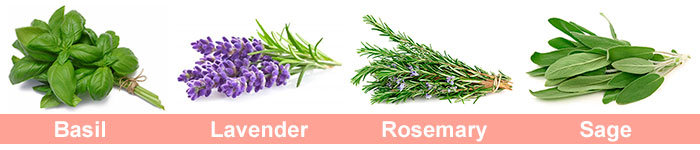
Many plants and herbs contain compounds that ants find offensive, yet birds are completely unbothered by these scents.
Most Effective Plants:
- Mint (all varieties)
- Lavender
- Rosemary
- Thyme
- Bay leaf
- Tansy
- Catnip
How to Use: Plant in pots around the feeder base, hang fresh sprigs near the feeder pole, or scatter dried leaves on the ground around the feeder. Refresh weekly or when scent fades.
Kitchen Ingredient Sprays
Common kitchen items create effective ant deterrent sprays. Apply to the ground, pole, or tree branch – never directly on bird food or feeding ports.
| Ingredient | How To Prepare | Application |
|---|---|---|
| Cayenne Pepper | Boil 1 gallon water with 5 tbsp hot pepper flakes for 15 min. Cool and strain. | Spray on pole and ground, or sprinkle dry pepper around base |
| Cinnamon | Boil cinnamon sticks in water until brown. Cool completely. | Spray on pole and ground, or sprinkle powder around base |
| Lemon Juice & Vinegar | Mix equal parts with water in spray bottle | Spray on non-vegetation surfaces only (kills grass) |
Reapply after rain or every 3-5 days as potency fades. Never spray directly on bird food or feeding ports.
Essential Oils
Essential oils contain concentrated plant compounds like β-Myrcene, menthol, and limonene that powerfully repel ants.
Most Effective Oils:
- Clove – Can induce 100% ant mortality within 6 hours
- Peppermint – Strong deterrent with long-lasting scent
- Citrus oils (lemon, orange, grapefruit) – Natural repellent
- Eucalyptus – Powerful insect deterrent
- Tea tree – Multi-purpose insect repellent
- Cedarwood – Long-lasting outdoor protection
How to Use: Add 10-15 drops of essential oil (or combination of oils) to a spray bottle filled with water. Shake well before each use. Spray around the ground, on poles, and nearby surfaces. Reapply weekly and after rain.
6. Alternative Physical Barriers
When moats and guards aren’t practical for your setup, these alternative physical barriers can effectively prevent ant access.
Fishing Line
Fishing line is too thin and slippery for ants to traverse effectively, making it an excellent hanging material for feeders.
- Use 20-30 lb test line for adequate strength
- Ensure line can support your filled feeder’s weight
- Can be combined with moats or guards for dual protection
- Nearly invisible, maintaining aesthetic appeal
Diatomaceous Earth (DE)
Food-grade Diatomaceous Earth is a natural, non-toxic powder made from fossilized sedimentary rock. Its microscopic sharp edges pierce ant exoskeletons, causing fatal dehydration.
How to Apply Diatomaceous Earth
- Sprinkle in a circle around the feeder pole base (2-3 inch wide band)
- Apply on dry surfaces only – moisture renders it ineffective
- Keep away from bird food and feeding areas
- Reapply after any rain or watering
- Works best during dry weather with several rain-free days forecasted
- Wear a dust mask during application to avoid inhaling fine particles
DE works exceptionally well around pole-mounted feeders where you can create a protective barrier ring. Less effective in humid climates or areas with frequent rain.
7. Neem Oil & Ant Baits (Last Resort Solutions)
When other methods prove insufficient or you’re dealing with a severe infestation, these stronger intervention methods can help – but should be used carefully.
Neem Oil
Neem oil is a natural insecticide derived from the neem tree that deters and kills ants on contact.
How to Apply:
- Spray generously on poles or branches leading to the feeder
- Pour or spray directly into anthills
- Never apply to bird food, feeding ports, or areas birds touch
- Reapply weekly and after rain
Ready-to-use products like Natria Neem Oil Spray come in convenient spray bottles and are organic-certified for outdoor use.
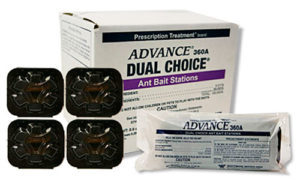
Ant Bait Traps
Ant baits contain slow-acting toxins that worker ants carry back to their colony, eventually eliminating the entire nest including the queen.
- Keep out of reach of children, pets, and wildlife
- Place inside protective barriers (chicken wire cage around pole base)
- Never place where birds can access them
- Birds and wildlife can be poisoned by eating affected insects
- Use only as a last resort when other methods have failed
Products like Combat Max Ant Killing Bait Stations use Fipronil to eliminate colonies. Follow all label instructions and safety warnings carefully.
When to Use Last Resort Methods
Only consider these stronger options when:
- Multiple physical barriers have failed
- Ant colonies are exceptionally large or aggressive
- Ants are carpenter ants causing structural damage
- Natural deterrents prove insufficient
Additional Tips for Success
Location Matters
Strategic feeder placement can reduce ant problems:
- Move periodically: Relocate feeders 7+ feet every few weeks to disrupt pheromone trails
- Avoid ant highways: Don’t place near visible ant trails or known nests
- Choose partial shade: Reduces heat expansion that causes leaks
- Hang over water: Position over bird baths or fountains when possible for natural moat effect
Combining Methods for Maximum Protection
The most effective ant control uses multiple strategies together:
Light Infestation
Ant moat + regular cleaning + occasional relocation
Moderate Infestation
Moat + ant guard + natural repellents + diatomaceous earth barrier
Heavy Infestation
All physical barriers + natural deterrents + targeted ant colony elimination
Conclusion
Keeping ants out of bird feeders doesn’t have to be complicated. For most situations, a simple ant moat combined with basic maintenance (fixing leaks and regular cleaning) will solve the problem completely.
- Start with a moat: Water barriers are the most effective, easiest, and safest ant prevention method
- Fix the fundamentals: Stop leaks and clean regularly – ants won’t come if there’s nothing to attract them
- Layer your defenses: Combine physical barriers with natural repellents for stubborn problems
- Choose bird-safe options first: Avoid chemical solutions that could harm birds or the insects they eat
- Maintain consistently: Refill moats, reapply repellents, and keep feeders clean for ongoing protection
- Location matters: Strategic placement and periodic relocation disrupt ant access
Remember that birds are more sensitive than ants to many substances. Always prioritize bird safety when implementing any ant control strategy. When in doubt, stick with physical barriers like moats and guards – they’re effective, safe, and require minimal maintenance once installed.