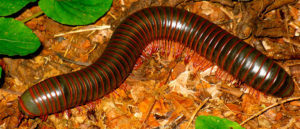
How to Identify Millipedes in the Basement

Ever spotted a small, many-legged crawler in the basement after a rainy night and thought, what on earth is that? It happens a lot. Basements are quiet, damp, and full of hiding spots, so they tend to collect pests that like moisture.
If you're trying to figure out how to identify millipedes in the basement, the good news is that they're usually easy to recognize once you know a few body clues. Below, you'll learn how to confirm what you're seeing, rule out common lookalikes, and fix the damp conditions that keep drawing them in.
- Millipedes in the basement are usually harmless moisture-seeking arthropods — here’s how to identify them fast
- How to confirm you’re seeing a millipede, not a centipede, sowbug, or wireworm
- Why millipedes show up indoors and what basement conditions attract them most
- What to do first to reduce millipedes in the basement
- When recurring millipedes point to a bigger moisture problem
- When to call a professional for inspection and pest control
- Conclusion
- FAQ
Millipedes in the basement are usually harmless moisture-seeking arthropods — here’s how to identify them fast

Most basement millipedes are harmless scavengers, not aggressive pests. They usually have a long, rounded or slightly flattened body, dark brown to black coloring, and lots of short legs tucked underneath. They move slowly, almost like a tiny train gliding along the floor.
A key clue is body shape. Millipedes look more tube-like than flat. Their bodies are made of many segments, and most visible segments carry two pairs of legs. You probably won't count them one by one, of course, but the legs look dense and close together.
They also act differently from faster predators like centipedes. Millipedes tend to stay near damp walls, floor drains, leaky corners, and piles of wet cardboard. If disturbed, many species curl into a loose or tight spiral for protection. That's one of the easiest ways to confirm them.
If you're learning how to identify millipedes in the basement, timing matters too. Sightings often happen after heavy rain, during muggy weather, or when basement humidity stays high for days. They're not usually there because your home is dirty. They're there because it's wet.
How to confirm you’re seeing a millipede, not a centipede, sowbug, or wireworm
Before you squash it or sweep it away, take a quick look. Where was it found? Did it hug the base of a wall, crawl out from under damp storage, or show up near a floor drain? Those details help a lot, because millipedes stay close to moisture.
And watch how it moves. Millipedes are slow and steady. They don't dart across the floor like something hunting. If lightly nudged with a piece of paper, they often curl up instead of racing off.
What to observe before touching the insect
- Take a photo first, preferably from above and from the side.
- Note the exact spot, such as near a wall crack, sump area, floor drain, wet cardboard, or damp foundation edge.
- Check the body shape. Millipedes are usually rounded, with many tiny legs under the body.
- Watch the speed. Slow movement points toward millipedes.
- See whether it coils when disturbed. That curling behavior is a strong clue.
Key differences from common basement lookalikes
| Pest | Body shape | Legs | Movement | Risk to people |
|---|---|---|---|---|
| Millipede | Long, cylindrical or slightly flattened | Two pairs of legs per segment | Slow | Generally harmless, may release mild defensive fluid |
| Centipede | Flattened, wider-looking body | One pair of legs per segment | Fast, darting | Can bite, though most house centipedes are not dangerous |
| Sowbug | Oval, plated back, not worm-like | Fewer visible legs, tucked under crustacean-like body | Slow | Harmless |
| Wireworm | Thin, hard, worm-like beetle larva | Only tiny legs near the front | Slow to moderate | Harmless to people, but not a many-legged arthropod |
Well, actually, some millipedes look slightly flatter than others. But they still won't have that quick, flat, leggy centipede look. That's usually the easiest split.
Why millipedes show up indoors and what basement conditions attract them most

Millipedes normally live outside in soil, mulch, leaf litter, and other damp places where dead plant material breaks down. That's their comfort zone. They help recycle organic matter, which is useful outdoors, but not very welcome in a basement.
So why do they come in? Usually because outside conditions get too wet, or because your basement offers the same cool, damp shelter they already like. After steady rain, soaked mulch beds and waterlogged soil can push them toward foundation walls. If they find a crack, gap, or utility opening, in they come.
Basements with damp foundation walls, condensation, plumbing leaks, or musty corners are especially attractive. Floor drains can add moisture to the air. So can stored cardboard, wet insulation, and piles of organic debris. Have you ever noticed how a basement can smell earthy after rain, almost like wet leaves? Millipedes notice that too.
Leaf litter near the house makes things worse by creating a moist staging area right outside. From there, the trip indoors is short. That's why how to identify millipedes in the basement isn't only about the bug itself. It's also about reading the moisture clues around it.
What to do first to reduce millipedes in the basement
If you want fewer millipedes, focus on drying the space first. Sprays may kill a few, but they don't fix the reason they're there. The real goal is to make the basement less damp and less inviting.
Dry the space and remove food sources
- Run a dehumidifier and try to keep relative humidity below 50 percent if possible. Many units show the number on the display.
- Fix plumbing leaks fast, even small drips behind a washer or utility sink.
- Check for condensation on pipes and wrap sweating pipes with insulation if needed.
- Remove damp cardboard, wet paper, rotting wood scraps, and wet insulation.
- Clean up dead leaves or organic debris that may have been tracked or stored indoors.
A dry basement feels different. Less musty. Less clammy. And pests that need moisture usually fade out pretty quickly.
Block entry points and reduce exterior pressure
- Seal visible cracks around foundation walls, utility lines, and basement windows.
- Make sure gutters are clear and downspouts send water several feet away from the house.
- Adjust soil or landscaping so water drains away from the foundation, not toward it.
- Pull mulch, leaf litter, and dense ground cover back from the foundation line.
- Check door sweeps and basement window seals for gaps.
These steps matter more than indoor pesticide sprays for most millipede problems. If you stop the dampness and cut off easy entry, the basement becomes much less appealing.
When recurring millipedes point to a bigger moisture problem

A few millipedes after a storm usually means seasonal moisture. But repeated sightings, especially in the same corner or along the same wall, can signal a larger issue. That's when it's worth slowing down and looking beyond the bug itself.
Standing water is a big red flag. So are damp foundation walls, visible seepage, mold growth, and a musty odor that doesn't go away. Those signs suggest the basement may have chronic moisture, not just a temporary humid spell. And chronic moisture can damage wood, drywall, and stored items over time.
It can also support other pests. Sowbugs, springtails, fungus gnats, and even some centipedes tend to show up where water problems stick around. That's why learning how to identify millipedes in the basement can be surprisingly useful. They often act like a little warning light for drainage trouble.
If millipedes appear after every rain, inspect the outside grade, gutters, downspouts, and the soil next to the foundation. If walls feel cool and damp to the touch or you see white chalky residue on masonry, moisture may be moving through the wall itself.
When to call a professional for inspection and pest control
If millipedes keep showing up even after you've dried the basement, fixed leaks, and sealed obvious gaps, it's time for a closer look. Persistent activity may mean hidden entry points, foundation seepage, or drainage problems you can't easily see.
Professional help also makes sense if you're not fully sure what you're seeing. Centipedes and a few other many-legged pests can look similar at first glance, especially in poor light. A licensed pest control pro or home inspector can identify the pest, trace moisture sources, and check whether structural repairs are needed.
That kind of inspection can save money in the long run. Not because millipedes are dangerous, but because the damp conditions behind them can turn into bigger home problems.
Conclusion

Slow-moving, dark-bodied crawlers near damp basement walls are often millipedes, and how to identify millipedes in the basement usually comes down to shape, speed, and behavior. Look for a rounded body, many short legs, and that curling response when disturbed.
The bigger story is moisture. If you dry the basement, remove wet debris, and seal entry points, most millipede problems ease up fast. And if they keep coming back, treat that as a useful clue. Your home may be asking for better drainage, not panic.
FAQ
Are millipedes in the basement harmful to people or pets?
Usually, no. Millipedes don't sting and don't damage your home, though some can release a mild defensive fluid that may irritate skin if handled.
How do I tell a millipede from a centipede?
Millipedes are rounder, slower, and have two pairs of legs per body segment. Centipedes are flatter, faster, and have one pair of legs per segment.
Why do millipedes keep coming back after rain?
Heavy rain soaks the soil and leaf litter where they normally live, which pushes them to drier shelter. If your basement stays humid or has cracks and leaks, it can become the next stop.