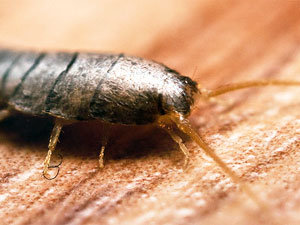
Have you noticed silverfish scurrying away as soon as you turn on the lights? These elusive pests conduct most of their activities under the cover of darkness, making them difficult to detect.
Although silverfish pose no threat to humans, it’s essential to eliminate them before they cause damage to your belongings such as books, clothing, and wallpaper.
Fortunately, getting rid of silverfish is relatively straightforward and generally low-cost and effective. The DIY and commercial traps below demonstrate how to eliminate silverfish quickly from your home.
4 Easy-To-Use Silverfish Traps
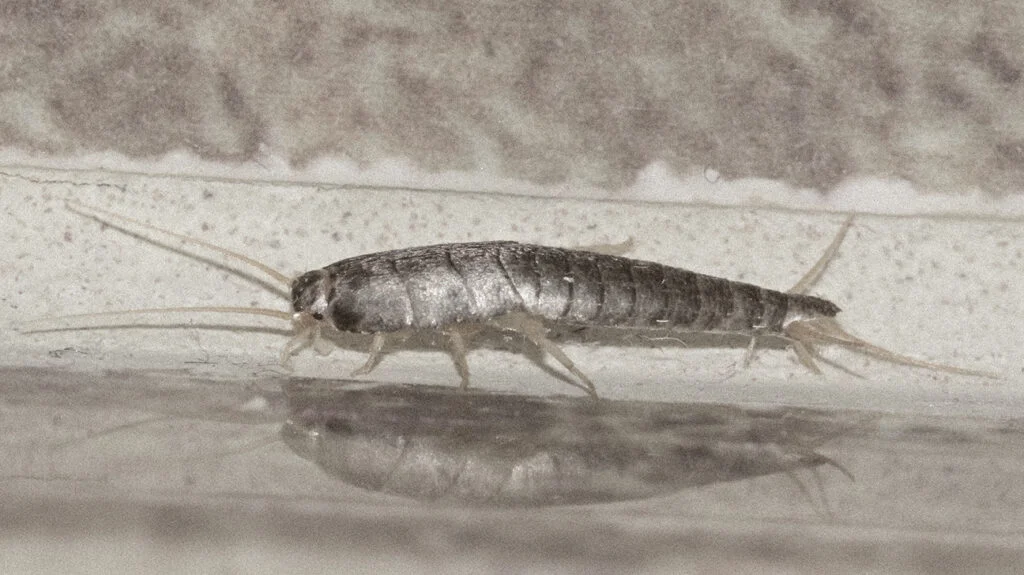
The following traps provide effective methods for eliminating silverfish and preventing them from returning to your home.
Silverfish are attracted to materials high in carbohydrates and protein, including glue, paper, pet food, and dry goods. Traps typically incorporate these attractants to lure silverfish effectively.
Place traps in areas where silverfish are commonly spotted or where conditions favor them. Silverfish prefer cool, damp areas such as basements, bathrooms, and kitchens. During the day, they hide in cracks and crevices, emerging at night to feed.
When selecting pest control methods, consider potential interactions between products and any safety precautions. Keep all traps and pest control products out of reach of children and pets.
1. Masking Tape & Jar Trap
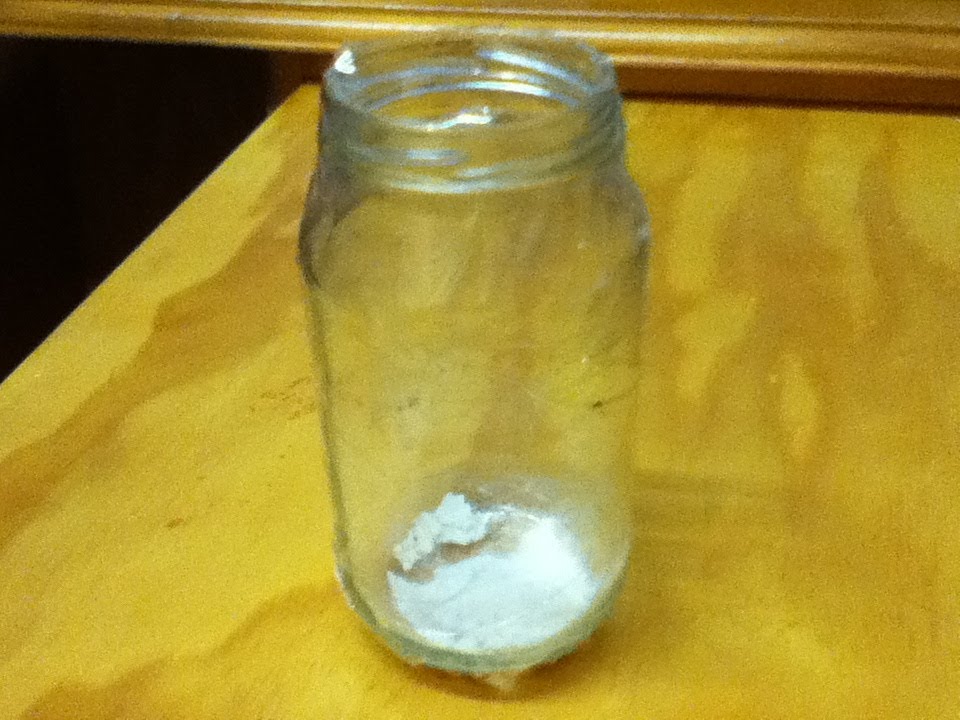
This DIY trap is easy to construct, inexpensive, and completely non-toxic.
The trap utilizes a textured surface that allows silverfish to climb into the jar to reach the bait inside. However, once inside, the slippery glass surface prevents their escape.
What you need:
- Food source (flour, dried cereal, pet food, or moistened newspaper)
- Glass jar without lid
- Masking tape
Instructions:
- Place the food source inside the glass jar (leave the lid off)
- Wrap the exterior completely with masking tape to create a climbable textured surface
- Position the trap in an area showing silverfish activity
- Rinse the jar with hot soapy water and repeat as needed; replace tape when necessary
2. Newspaper Trap
This simple DIY method is easy to implement and highly effective.
Silverfish feed on paper and paper products, making dampened newspaper an ideal attractant. Once silverfish access the newspaper, they burrow inside and remain trapped.
Since this method uses damp materials, only place traps on surfaces that can tolerate moisture. Not recommended for carpeting or hardwood flooring. For these surfaces, place the rolled newspaper on a low-edged tray with a textured surface for silverfish to climb.
What you need:
- Newspaper
- Rubber bands
- Water in a spray bottle
Instructions:
- Roll the newspaper into a long tube shape
- Secure rubber bands around both ends
- Lightly spray with water until damp (not soaking wet)
- Place the dampened newspaper in areas of silverfish activity before nighttime
- The following morning, pick up the newspaper without unrolling it
- Place immediately into a sealed plastic bag and dispose in a covered garbage can
- Repeat the process until silverfish activity ceases
3. Duct Tape Trap
This DIY method is quick to set up using food attractants that silverfish naturally seek.
The food source draws silverfish to the trap, where they become stuck on the adhesive side of the duct tape.
Surface Protection: If using this trap on carpeting or hardwood flooring, place it on a flat piece of cardboard or a tray that provides a textured climbing surface for the silverfish.
What you need:
- Duct tape
- Cardboard pieces (approximately 4 x 6 inches each)
- Food source (flour, dried cereal, or pet food)
Instructions:
- Wrap duct tape around the cardboard pieces with the sticky side facing upward
- Secure the trap to the floor in areas of silverfish activity
- Add bait to the center of the trap to attract silverfish onto the sticky surface
- Deploy fresh traps each night until silverfish activity stops
- Dispose of used traps in sealed bags and covered garbage bins
4. Commercial Traps
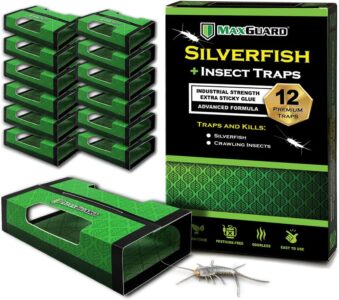
Commercial traps offer a convenient, ready-to-use solution for silverfish control. Select products that come with multiple traps for comprehensive coverage.
Most commercial traps are sticky traps containing attractants. Keep them out of reach of small children and pets.
Dekko Silverfish Packs
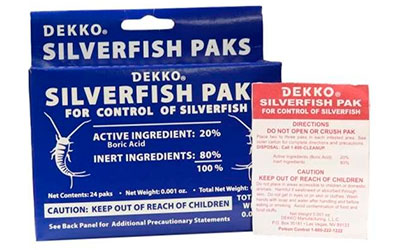
These commercial traps feature interior glue combined with boric acid, which the EPA has approved for silverfish control since 1948. Silverfish enter the trap to consume the boric acid-infused material and become stuck, eventually dying.
Boric acid can be toxic if swallowed. According to the EPA, boric acid has low toxicity in humans when used properly but should be kept away from children and pets. Avoid contact with skin or mucous membranes.
- 24 individual packs per package
- Active ingredient: 20% boric acid
- Interior glue for trapping
- For indoor use only
- Apply 2 ounces per 100 square feet
- Designed for up to 4 months of prolonged protection
- Simple disposal in enclosed trash bins
Alternative option: Sticky roach traps will also capture silverfish effectively. However, you may need to add bait such as small pieces of bread, grains, flour, or dry pet food for better results.
Other Ways To Get Rid Of Silverfish
In addition to trapping, implement these prevention strategies for comprehensive integrated pest management:
Reduce Humidity
Since silverfish are attracted to humid environments (preferring 75-95% relative humidity), reducing moisture in your home is essential. Use a dehumidifier in damp areas to lower humidity levels to less favorable conditions.
Clean Up
Silverfish are attracted to food crumbs and debris, making cleanliness crucial for control.
Vacuum regularly, dust thoroughly, and sweep up any debris to eliminate potential food sources. Silverfish feed on book bindings, wallpaper, paper sizing, cereal grains, and dried meat, so proper storage is essential.
Seal Entry Points
Seal any cracks or gaps in walls, baseboards, and windows to prevent silverfish from entering your home. Caulk holes around pipes and repair any damaged weatherstripping on doors.
Use Natural Repellents
Silverfish are repelled by strong scents such as cedar, lavender, and citrus. Consider placing sachets or essential oil diffusers in areas where you’ve observed silverfish activity.
Cedar Oil Repellent Recipe:
Cedar oil also functions as a natural insecticide upon direct contact. Mix 30 drops of cedar oil per 1 ounce of water. Shake well before spraying and apply to areas of concern.
Exercise care when applying liquids to sensitive materials such as paper or fabrics, as staining may occur. Always test in an inconspicuous spot first. Keep children and pets away from treated areas until completely dry.
Conclusion
Eliminating silverfish can be achieved through various methods, including traps with sticky or slippery surfaces combined with effective attractants.
While commercial traps are readily available, you can also create effective DIY traps using common household materials. Whichever method you choose, ensure it’s safe for children and pets.
Prevention remains the most effective long-term strategy for keeping silverfish out of your home. These pests thrive in areas with high moisture levels, such as bathrooms and basements, making proper ventilation and dehumidification essential. Use a dehumidifier when necessary to maintain humidity levels below 50%.
If you’re uncertain about how to eliminate silverfish or if the infestation is severe, consult professional pest control services for expert assistance and comprehensive treatment options.