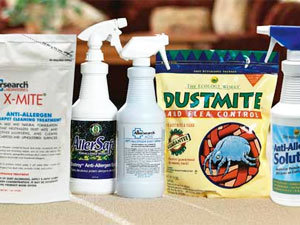
Quick Answer: To effectively eliminate dust mites wash all bedding weekly in hot water (130°F+), vacuum with HEPA filters, use allergen-proof mattress and pillow covers, maintain indoor humidity below 50%, steam clean carpets and furniture, and minimize fabric surfaces where dust mites thrive. A combination of regular cleaning, temperature control, and environmental management provides the most effective long-term control.
Dust mites are microscopic arthropods that thrive in warm, humid environments throughout homes worldwide. While invisible to the naked eye, these tiny creatures—measuring just 0.2 to 0.3 millimeters long—can have a profound impact on human health. Research published in StatPearls identifies dust mite allergens as having the strongest association with asthma development among all household allergens.
Understanding how to control dust mite populations is essential for creating a healthy indoor environment, particularly for the estimated 20 million Americans with dust mite allergies. This comprehensive guide combines proven scientific methods with practical solutions for eliminating dust mites from every area of your home.
Understanding Dust Mites

Dust mites (Dermatophagoides pteronyssinus and Dermatophagoides farinae) are microscopic relatives of spiders and ticks belonging to the class Arachnida. Despite their tiny size, research indicates that up to 85% of asthmatics are typically dust mite allergic, making them one of the most significant indoor allergen sources worldwide.
What Dust Mites Feed On
Dust mites primarily feed on dead skin cells shed by humans and pets. The average person sheds approximately 1.5 grams of skin daily—enough to feed thousands of dust mites. They also consume:
- Pet dander and hair
- Pollen particles
- Fungi and mold spores
- Fabric fibers
Ideal Conditions for Dust Mite Growth
According to the CDC’s Agency for Toxic Substances and Disease Registry, dust mites grow optimally at warm temperatures with humidity greater than 50%. They thrive in:
- Temperature: 68-77°F (20-25°C)
- Humidity: Above 50% relative humidity
- Locations: Cloth-covered objects such as mattresses, pillows, carpets, and upholstered furniture
Dust mites have a relatively short life cycle of only a few weeks, but they reproduce rapidly. Female dust mites can lay 60-100 eggs during their lifetime, with populations doubling every 3 weeks under optimal conditions. This rapid reproduction contributes to their persistence in indoor environments.
How to Get Rid of Dust Mites: Comprehensive Methods

Effective dust mite control requires a multi-faceted approach combining temperature treatment, humidity control, physical removal, and environmental management. The following methods are organized by location and technique for maximum effectiveness.
Bedroom & Mattress Solutions
Hot Water Washing
Wash all bedding, including sheets, pillowcases, and mattress covers, in hot water at 130°F (54°C) or above weekly. High temperatures kill dust mites and their eggs while removing allergens.
Frequency: Weekly for optimal control
Allergen-Proof Covers
Invest in allergen-proof covers for mattresses, pillows, and duvets made of tightly woven fabric. These covers create a barrier preventing dust mites from burrowing into bedding and reduce populations over time.
Vacuum Mattresses
Use a vacuum cleaner with a HEPA filter to vacuum mattresses thoroughly. Focus on seams, crevices, and all sides. This removes dust mites, their waste, and the skin cells they feed on.
Frequency: Weekly or bi-weekly
Sunlight Exposure
Place mattresses and bedding in direct sunlight on sunny days. UV rays have natural germicidal properties that kill dust mites and reduce populations. Flip mattresses to expose both sides.
Steam Cleaning
Use a steam cleaner on mattresses to effectively kill dust mites and remove allergens. High steam temperatures (above 130°F) penetrate fabric, disrupting and killing dust mites and their eggs.
Freezing Method
For items that can’t be washed (stuffed toys, pillows), seal them in plastic bags and place in a freezer for several hours or in areas where temperatures drop below 0°F for 24 hours. Extreme cold kills dust mites and eggs.
SureGuard Mattress Encasement
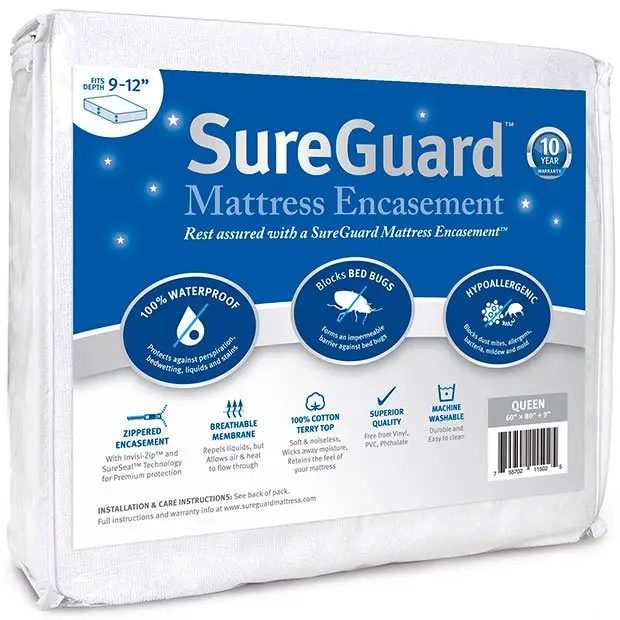
Features:
- 6-sided zippered cover for complete protection
- High-quality cotton terry fabric
- Bed bug-proof and waterproof
- Moisture-wicking and hypoallergenic
- Machine washable for easy maintenance
- Blocks dust mites, bed bugs, and allergens
- Free from vinyl, PVC, phthalates, fire retardants
- 10-year quality guarantee
Why It Works: SureGuard encasements provide 360-degree premium protection against liquids, stains, allergens, and bed bugs. The tightly woven fabric creates an impermeable barrier that prevents dust mites from accessing the mattress while trapping existing populations inside. Particularly beneficial for households with pets, children, asthma, or allergies.
Carpet & Flooring Solutions
HEPA Vacuum Regularly
Use a vacuum cleaner with a HEPA filter to thoroughly vacuum carpets, rugs, and upholstered furniture at least once weekly. HEPA filters trap tiny dust mite particles and allergens that regular vacuums release back into the air.
Steam Clean Carpets
Periodically steam clean carpets using hot water extraction. High temperatures kill dust mites embedded deep in carpet fibers and remove accumulated allergens. Professional cleaning recommended 1-2 times yearly.
Baking Soda Treatment
Sprinkle generous amounts of baking soda on carpets and upholstery, let sit for several hours (or overnight), then vacuum thoroughly. Baking soda absorbs moisture and odors, making the environment less favorable for dust mites.
Replace High-Pile Carpets
Opt for low-pile carpets or, better yet, replace wall-to-wall carpeting with hard flooring (hardwood, tile, vinyl). Hard surfaces don’t trap dust mites and allergens like carpets do, making them significantly easier to keep mite-free.
Whole-Home Environmental Control
Humidity Control
Maintain indoor humidity levels between 30-50% using dehumidifiers. Medical guidelines recommend keeping humidity below 50% to create an inhospitable environment for dust mites. Monitor with hygrometers and empty dehumidifiers daily.
HEPA Air Purifiers
Use air purifiers with HEPA filters in bedrooms and main living areas to trap airborne dust mite particles and improve indoor air quality. HEPA filters are recommended for capturing microscopic allergens.
Ventilation & Sunlight
Regularly open windows to improve ventilation and expose rooms to sunlight. Fresh air reduces humidity while UV rays from sunlight help kill dust mites on exposed surfaces. Ensure good air circulation throughout the home.
Reduce Clutter
Minimize clutter where dust accumulates. Keep surfaces clean and unobstructed. Declutter bookshelves, reduce decorative items, and avoid storing items under beds. Less clutter means fewer hiding places for dust mites and easier cleaning.
Regular Dusting
Dust surfaces regularly using damp cloths rather than dry dusting. Dry dusting scatters dust mites and allergens into the air, while damp cloths capture and remove them. Use microfiber cloths for best results.
HVAC Filter Maintenance
Use high-efficiency particulate air (HEPA) filters in HVAC systems to trap airborne particles, including dust mite debris. Change furnace filters frequently (every 1-3 months) to maintain effectiveness and prevent dust mite circulation.
Natural & Chemical Solutions
Essential Oil Sprays
Create natural repellent sprays using essential oils with anti-mite properties:
- Eucalyptus oil: Contains eucalyptol, which disrupts mite functions
- Tea tree oil: Has terpinen-4-ol that damages mite cells
- Clove oil: Contains eugenol that impacts mite nervous systems
- Lavender oil: Natural repellent properties
Usage: Add 10-15 drops to spray bottle with water. Test on small fabric area first. Lightly mist upholstery, curtains, and bedding.
Caution: Essential oils are potent—avoid use around pets and individuals with sensitivities
Diatomaceous Earth
Food-grade diatomaceous earth (DE) damages dust mites’ exoskeletons, leading to dehydration and death.
Application: Lightly dust thin layer on surfaces prone to dust mite activity. Leave for several hours to a day, then vacuum thoroughly.
Safety: Wear mask and gloves during application—DE can irritate lungs when airborne. Only use food-grade DE.
Commercial Dust Mite Sprays
Dust mite sprays containing natural or chemical formulations can reduce populations. The EPA has registered Acarosan as an acaricide for treating carpets, furniture, and beds.
Important: Follow all manufacturer instructions to ensure safety for skin contact and suitability for mattress/fabric surfaces
Vinegar Spray
Mix distilled white vinegar and water (1:1 ratio) for a natural cleaning solution. Lightly mist carpets and fabrics, allow to air dry. Vinegar’s acidity creates an inhospitable environment for dust mites.
Specialized Approaches
Pet Management
If you have pets, groom them regularly and wash their bedding often in hot water. Pet dander attracts dust mites and provides additional food sources. Keep pets off furniture and out of bedrooms when possible.
Limit Plush Furnishings
Reduce upholstered furniture and plush decor that harbor dust mites. Choose leather or vinyl furniture instead of fabric upholstery. Replace fabric window treatments with washable blinds or pull-down shades.
Stuffed Toy Management
Minimize stuffed animals, especially in bedrooms. Periodically place washable stuffed toys in the freezer (sealed in plastic bags) for several hours to kill dust mites, or wash in hot water weekly.
Professional Deep Cleaning
For severe infestations, hire professional carpet cleaners specializing in allergen and dust mite removal. Professionals use specialized equipment and methods (hot water extraction, high-powered HEPA vacuums) more effective than consumer products.
Effective dust mite control requires combining multiple methods consistently. No single technique will eliminate dust mites completely—instead, use a combination of temperature treatment (hot water, steam, freezing), environmental control (humidity, ventilation), physical removal (HEPA vacuuming), and barrier methods (allergen-proof covers) for comprehensive management.
Health Effects of Dust Mite Exposure
The health impact of dust mites extends far beyond simple allergies. Studies by Smith and colleagues (1969) and Miyamoto and coworkers (1968) found dust mite sensitivity strongly associated with asthma, particularly in countries like Brazil, Australia, New Zealand, Japan, the Netherlands, Denmark, and England.
Respiratory Effects
Sneezing, runny nose, nasal congestion, postnasal drip
Wheezing, chest tightness, shortness of breath, coughing
Itchy, red, watery eyes, conjunctival inflammation
Facial pressure and pain, chronic inflammation
According to the American Lung Association, dust mite allergens don’t usually stay airborne. Instead, they settle quickly into dust or fabrics, with most exposure occurring while sleeping. People with asthma who are sensitive to dust mites face an increased risk of asthma attacks.
Skin Reactions
Many people mistakenly attribute skin reactions to “dust mite bites.” However, dust mites do not bite, sting, or burrow into the skin. The symptoms commonly associated with “dust mite bites” are actually allergic reactions to proteins found in dust mite waste particles and body fragments.
Dust mite allergens can trigger several skin conditions:
- Eczema (Atopic Dermatitis): Research shows house dust mite acts as both a nonspecific allergen and an irritant, aggravating eczema symptoms in affected individuals. Symptoms include red, itchy, and inflamed skin with chronic flare-ups.
- Urticaria (Hives): Raised, red, and itchy welts on the skin that appear and disappear rapidly due to allergic responses.
- Contact Dermatitis: Redness, itching, and irritation when skin directly contacts dust mite allergens.
- Allergic Dermatitis: Generalized skin inflammation characterized by redness, itching, and swelling.
These skin reactions may resemble insect bites from bed bugs, fleas, chiggers, or mosquitoes, often appearing as small, raised red or pink bumps that are itchy and uncomfortable.
Asthma Connection
The link between dust mites and asthma is particularly significant. EPA guidelines identify two critical exposure thresholds:
| Risk Level | Allergen Concentration | Mite Population | Health Impact |
|---|---|---|---|
| Sensitization Risk | 2 µg Der p1 per gram of dust | 100 mites/gram | Chronic exposure may cause allergic sensitization |
| Acute Asthma Risk | 10 µg Der p1 per gram of dust | 500 mites/gram | High risk for asthma attacks in allergic individuals |
MedlinePlus notes that in people with sensitive airways, allergy and asthma symptoms are triggered by breathing in dust mite allergens. Long or regular exposure can cause ongoing (chronic) inflammation linked to asthma.
How to Identify Dust Mite Problems
Detecting dust mites can be challenging since these microscopic creatures are invisible to the naked eye (visible only under microscope). However, several signs and symptoms indicate their presence:
Health Symptoms
- Frequent Allergic Reactions: Sneezing, runny nose, itchy or watery eyes, coughing, or skin irritation, especially indoors
- Unexplained Respiratory Issues: Worsening asthma or breathing difficulties while indoors
- Morning Symptoms: Symptoms that are worse upon waking or while sleeping
- Bedding & Upholstery Allergies: Severe symptoms when using bedding or sitting on upholstered furniture
Environmental Indicators
- Visible Dust & Debris: Excessive dust on carpet surfaces provides conditions conducive to mite growth
- Musty Odor: Accumulation of dust mites and waste can produce unpleasant odors in high-humidity areas
- High Indoor Humidity: Humidity levels consistently above 50%
If you suspect significant dust mite infestation, consider hiring professionals specializing in indoor air quality testing. They can take samples from carpets and other areas to determine the presence and concentration of dust mite allergens, providing objective measurements against the EPA’s risk thresholds.
Distinguishing Dust Mites from Other Pests
It’s important to distinguish dust mite reactions from actual pest infestations:
| Characteristic | Dust Mites | Bed Bugs | Fleas |
|---|---|---|---|
| Size | 0.2-0.3 mm (microscopic) | 4-5 mm (visible) | 1-4 mm (visible) |
| Visibility | Invisible to naked eye | Visible, especially at night | Visible, fast-moving |
| Biting Behavior | Do NOT bite | Bite and feed on blood | Bite and feed on blood |
| Skin Reaction | Allergic reaction to waste/fragments | Itchy red welts in lines/clusters | Small red bumps with halos |
| Evidence | None visible (requires microscope) | Eggs, shed skins, reddish-brown stains | Fast-moving insects on bedding |
Prevention Strategies
Preventing dust mite infestations is more effective than trying to eliminate established populations. Implement these preventive strategies to maintain a dust-mite-free environment:
Environmental Management
- Maintain Optimal Humidity: Keep indoor humidity between 30-50% year-round. EPA recommendations suggest maintaining relative humidity below 45% for mite-allergic individuals, as mites desiccate in drier air (absolute humidities below 7 g/kg).
- Temperature Control: While keeping homes comfortable, avoid excessively warm conditions that favor dust mite growth. Optimal is below 70°F when possible.
- Good Ventilation: Ensure adequate ventilation throughout the home to prevent moisture buildup. Use exhaust fans in bathrooms and kitchens.
Cleaning Routines
- Weekly Bedding Wash: Establish a routine of washing all bedding in hot water (130°F+) every week
- Regular Vacuuming: Vacuum all carpets, rugs, and upholstered furniture at least weekly with HEPA-filter vacuum
- Damp Dusting: Dust surfaces weekly with damp cloths to capture rather than scatter allergens
- Filter Changes: Replace HVAC filters every 1-3 months to maintain air quality
Home Modifications
- Flooring Choices: Choose hardwood, tile, or vinyl flooring instead of carpeting, especially in bedrooms
- Window Treatments: Replace fabric curtains and drapes with washable blinds or pull-down shades
- Furniture Selection: Select leather, vinyl, or wood furniture over fabric upholstery
- Minimize Decorative Fabrics: Reduce throw pillows, decorative cushions, and fabric wall hangings
Lifestyle Habits
- Remove Shoes Indoors: Establish a no-shoes policy to reduce outdoor allergens and debris tracked inside
- Shower Before Bed: Showering at night removes allergens from skin and hair before sleeping
- Keep Pets Groomed: Regular pet grooming and bathing reduces dander that attracts dust mites
- Declutter Regularly: Minimize items that collect dust and make cleaning easier
When to Seek Professional Help
While many dust mite problems can be managed with the methods outlined above, certain situations warrant professional assistance:
Medical Consultation
Consult a healthcare professional or allergist if you experience:
- Severe or persistent allergy symptoms despite implementing control measures
- Worsening asthma symptoms or frequent asthma attacks
- Skin reactions that don’t improve with avoidance measures
- Symptoms that significantly impact quality of life or daily activities
- Uncertainty about whether symptoms are dust mite-related
For severe dust mite allergies, allergen immunotherapy (AIT)—also known as desensitization—can provide long-term relief. AIT has proven effective in treating Type I allergic diseases by alleviating clinical manifestations of allergic rhinitis and asthma, reducing the need for symptom-relieving medication, and improving quality of life. Research shows it provides disease-modifying effects that can prevent the allergic inception of asthma.
Professional Pest Control
Consider professional pest control services when:
- Home remedies and DIY methods have not reduced symptoms after 2-3 months of consistent effort
- You suspect severe dust mite infestation based on persistent symptoms
- Professional indoor air quality testing reveals allergen levels above EPA risk thresholds
- You’re preparing a home for someone with severe dust mite allergies or asthma
Indoor Air Quality Testing
Professional testing can:
- Measure actual dust mite allergen concentrations in your home
- Identify which rooms or areas have highest concentrations
- Provide objective data to guide targeted control efforts
- Establish baseline measurements to track improvement over time
Conclusion
Dust mites represent one of the most common and significant indoor allergen sources, with up to 85% of asthmatics showing dust mite sensitivity. While these microscopic arthropods are impossible to eliminate completely from indoor environments, their populations can be effectively controlled through consistent, multi-faceted approaches.
The key to successful dust mite management lies in combining multiple strategies:
- Temperature treatment: Hot water washing (130°F+), steam cleaning, freezing methods
- Environmental control: Maintaining humidity below 50%, good ventilation, adequate sunlight
- Physical removal: HEPA vacuuming, regular cleaning, professional deep cleaning
- Barrier methods: Allergen-proof mattress and pillow covers
- Home modifications: Hard flooring instead of carpets, minimal fabric furnishings
According to medical guidelines, consistent implementation of avoidance measures—particularly humidity control, barrier covers, and regular hot water washing—can significantly improve pulmonary function tests and reduce airway inflammation in sensitive individuals.
Remember that dust mite management is an ongoing process, not a one-time fix. Establishing regular cleaning routines, maintaining optimal indoor humidity, and creating an environment less hospitable to dust mites will provide long-term benefits for your health and well-being.
If allergies or respiratory symptoms persist despite implementing these measures, consult a healthcare professional or allergist for proper diagnosis, management, and potential allergen immunotherapy options.
- Wash all bedding weekly in 130°F+ water
- Use allergen-proof mattress and pillow covers
- Vacuum carpets and furniture weekly with HEPA filter vacuum
- Maintain indoor humidity below 50%
- Steam clean carpets and upholstery regularly
- Replace carpeting with hard flooring when possible
- Use HEPA air purifiers in bedrooms
- Minimize fabric furnishings and clutter
- Change HVAC filters every 1-3 months
- Seek professional help if symptoms persist