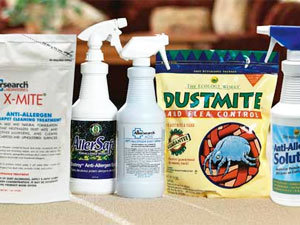
Spider mites pose a serious threat to both indoor and outdoor plants, feeding on chlorophyll and causing extensive damage that can lead to plant death. These microscopic pests reproduce rapidly and spread easily, making early detection and comprehensive treatment essential. This complete guide covers identification, multiple treatment methods for plants and soil, prevention strategies, and long-term control solutions how to get rid of spider mites and protect your garden.
Understanding Spider Mites and Their Impact

Spider mites are not insects but rather arachnids belonging to the Tetranychidae family. With eight legs and approximately 1,600 species worldwide, these microscopic pests measure only about 1 millimeter—roughly the size of a grain of black pepper—making them difficult to detect until populations explode and damage becomes visible.
How Spider Mites Damage Plants
Spider mites use piercing-sucking mouthparts to puncture plant cells on the undersides of leaves and needles. They extract chlorophyll and other vital fluids from within cell walls, causing characteristic damage patterns that progressively weaken and eventually kill affected plants.
Feeding Damage
Leaves develop tiny white or yellow stippling marks where mites have fed, creating a speckled or bronzed appearance that reduces photosynthetic capacity.
Webbing Production
Heavy infestations produce fine silk webbing covering leaves, stems, and buds, providing protection for colonies and facilitating wind dispersal.
Progressive Decline
Continued feeding causes leaf discoloration, curling, dropping, and eventual plant death if populations remain unchecked.
Rapid Spread
Females lay hundreds of eggs that mature in just 5 days, allowing populations to explode and spread to nearby plants quickly.
Ideal Conditions for Spider Mites
Spider mites thrive in warm, dry environments with low humidity. Understanding these preferences helps explain where infestations develop and how to create unfavorable conditions:
| Factor | Spider Mite Preference | Prevention Strategy |
|---|---|---|
| Temperature | 80°F or higher | Provide shade for stressed plants; increase ventilation indoors |
| Humidity | Below 50% | Maintain 50%+ humidity through misting and proper watering |
| Moisture | Dry, dusty conditions | Keep foliage clean and soil consistently moist (not saturated) |
| Plant Stress | Drought-stressed plants | Follow regular watering schedules; avoid underwatering |
| Location | Near dust sources | Avoid placing plants near roadsides or high-traffic dusty areas |
How Spider Mites Spread
Spider mites employ multiple dispersal methods, making prevention challenging:
- Wind Dispersal (Ballooning): Mites spin silk threads that catch wind currents, carrying them considerable distances to new host plants.
- Plant-to-Plant Contact: Direct leaf contact between infected and healthy plants facilitates transfer of mobile mites.
- Human and Pet Transfer: Mites cling to clothing, skin, fur, and garden tools, traveling indoors or to new garden areas undetected.
- Contaminated Plants: Purchasing infested plants from nurseries or garden centers introduces mites directly into home gardens.
- Soil Movement: Some species like two-spotted spider mites overwinter in soil and emerge when conditions become favorable.
Identifying Spider Mite Infestations
Early detection dramatically improves control success. Regular monitoring helps catch infestations before they cause severe damage.

Visual Identification
Spider mites come in various colors including red, green, brown, yellow, and orange, often appearing translucent or barely visible to the naked eye. Use a magnifying glass or hand lens for detailed examination.
The Paper Test
This simple diagnostic confirms spider mite presence:
- Hold white paper or cardboard beneath suspect plant branches
- Shake or tap foliage firmly several times
- Examine paper for tiny moving specks
- Confirm movement—dust particles remain stationary while mites crawl
- Check color and pattern to identify species if needed
Damage Symptoms
Early Warning Signs
- Stippling: Fine white, yellow, or bronze speckles on leaf upper surfaces
- Leaf Discoloration: Progressive yellowing, bronzing, or silvering of foliage
- Fine Webbing: Delicate silk strands on leaf undersides, between stems, and around buds
- Leaf Drop: Premature defoliation starting with lower or older leaves
- Stunted Growth: Reduced vigor and smaller new growth on affected plants
Evidence in Soil
While most spider mite activity occurs on plant foliage, certain species overwinter or seek refuge in soil:
- Egg Sacs: Light-colored spherical structures 3-4 cm in diameter wrapped in silk, often near soil surface
- Adult Presence: Mites detected on soil surface during paper test or visual inspection
- Two-Spotted Spider Mites: This common species specifically overwinters in garden soil
Even when primary infestation appears on foliage, some mite activity likely exists in surrounding soil. Hot, dry soil conditions provide ideal habitat for certain species.
Comprehensive Treatment Strategy
Effective spider mite control requires treating both plants and soil simultaneously while implementing environmental modifications that discourage reinfestation.
Step 1: Isolate and Assess
Immediate action prevents spread to healthy plants:
- Quarantine Affected Plants: Move infested indoor plants to separate rooms or outdoor plants away from healthy specimens
- Evaluate Severity: Determine whether plants can be saved or should be discarded based on damage extent
- Identify Species: Note mite coloration and damage patterns to select appropriate control methods
- Check Neighboring Plants: Inspect all nearby vegetation for signs of spreading infestation
- Document Conditions: Record temperature, humidity, and recent care practices to identify contributing factors
Step 2: Physical Removal Methods
Non-chemical approaches provide immediate relief and work well for light to moderate infestations:
Water Treatment
Water serves as both a direct control method and environmental deterrent:
- Use forceful streams from garden hose or spray bottle to physically dislodge mites
- Target leaf undersides where mites congregate and feed
- Spray in morning to allow foliage drying before evening humidity
- Repeat every 2-3 days for at least two weeks to catch emerging juveniles
- Water drowns mites and disrupts egg development when applied thoroughly
Manual Cleaning
For indoor plants or valuable specimens:
- Wear gloves and prepare soft cloths dampened with lukewarm water
- Gently wipe both leaf surfaces, paying special attention to undersides
- Rinse cloths frequently in water to remove collected mites
- Use cotton swabs for hard-to-reach areas around stems and buds
- Dispose of all cleaning materials in sealed bags to prevent escape
Pruning Infested Plant Parts
Remove heavily damaged areas to reduce population and improve treatment efficacy:
- Sterilize pruning shears with rubbing alcohol between cuts
- Remove all yellowed, stippled, or webbed foliage
- Cut back to healthy growth, making clean cuts at branch unions
- Immediately seal pruned material in plastic bags for disposal
- Never compost infested plant material—discard in sealed trash
Step 3: Treat Plant Foliage
While we won’t detail spray products extensively (see our dedicated spider mite spray article), understand that foliar treatments form a critical component of comprehensive control:
- Apply treatments in early morning or evening to avoid leaf burn
- Ensure complete coverage of leaf undersides where mites feed
- Repeat applications every 3-7 days to target multiple life stages
- Rotate treatment types to prevent resistance development
- Continue treatments for at least 2-3 weeks after last mite sighting
Step 4: Treat Surrounding Soil
Addressing soil-dwelling populations prevents reinfestation from overwintering or sheltering mites:
Soil Moisture Management
Maintaining proper soil moisture creates unfavorable conditions for spider mites:
- Consistent Watering: Keep soil evenly moist without waterlogging—water when top half-inch feels dry
- Avoid Drought Stress: Extended dry periods create ideal spider mite conditions and stressed host plants
- Monitor Drainage: Ensure pots and garden beds drain properly to prevent root rot from overcompensating moisture
Diatomaceous Earth Application
Food-grade diatomaceous earth (DE) provides non-toxic soil treatment:
How to Apply Diatomaceous Earth
- Wait until soil surface is completely dry before application
- Wear dust mask to avoid inhaling fine particles during application
- Sprinkle thin layer of food-grade DE on soil surface around plant base
- DE’s sharp microscopic edges pierce mite exoskeletons, causing fatal dehydration
- Reapply after watering, rainfall, or heavy dew as moisture reduces effectiveness
- Can also dust plant foliage lightly, though less effective than on dry surfaces
Soil Drench Treatments
When using chemical controls, verify product labels permit soil application:
- Systemic Insecticides: Some products absorb through roots and make entire plant toxic to feeding mites
- Application Timing: Apply when soil is moderately moist for best absorption
- Root Zone Focus: Concentrate application around plant drip line where feeder roots absorb nutrients
- Edible Crop Caution: Never use systemic treatments on food crops unless specifically labeled for edibles
Neem Oil Treatment

Neem oil, derived from the seeds of the neem tree (Azadirachta indica), has become one of the most popular natural spider mite treatments due to its effectiveness, low toxicity to humans and pets, and multi-faceted mode of action.
How Neem Oil Works Against Spider Mites
Neem oil controls spider mites through several mechanisms:
- Contact Action: Oil coating suffocates mites on contact by blocking their breathing pores
- Feeding Deterrent: Active compound azadirachtin disrupts mite feeding behavior and reproduction
- Growth Disruption: Interferes with molting process, preventing immature mites from developing into adults
- Egg Viability: Reduces hatching success of spider mite eggs when thoroughly applied
- Repellent Properties: Discourages mites from settling on treated plants
Choosing the Right Neem Oil Product
| Product Type | Description | Best For |
|---|---|---|
| Cold-Pressed Neem Oil | 100% pure neem oil requiring dilution with water and emulsifier | Experienced gardeners wanting maximum control over concentration |
| Clarified Hydrophobic Neem Oil | Processed to remove solids, mixes more easily with water | General use; better shelf stability than raw neem oil |
| Ready-to-Use Neem Spray | Pre-mixed solution in spray bottle | Small infestations, houseplants, convenience-focused users |
| Neem Concentrate | Concentrated formula requiring dilution per label directions | Large gardens, multiple applications, cost-effectiveness |
How to Apply Neem Oil for Spider Mites
Application Instructions
- Timing: Apply in early morning or late evening when temperatures are below 80°F to prevent leaf burn
- Preparation: Mix neem oil according to product directions (typically 2 tablespoons per gallon of water for concentrate). Add a few drops of mild liquid soap as emulsifier if using pure neem oil
- Test First: Spray small section of plant and wait 24 hours to check for sensitivity before full application
- Thorough Coverage: Spray all plant surfaces until dripping, with special attention to leaf undersides where mites congregate
- Soil Application: Drench soil surface lightly to address any mites or eggs present in top layer
- Repeat Schedule: Reapply every 7 days for 3-4 weeks to target all life stages as eggs hatch
Neem Oil Advantages and Limitations
Advantages
- Safe for organic gardening
- Low toxicity to beneficial insects when dry
- Also controls other pests (aphids, whiteflies, thrips)
- Fungicidal properties prevent secondary infections
- Safe for edible crops with proper PHI
Limitations
- Works slowly—requires multiple applications
- Can burn leaves if applied in heat or direct sun
- Strong odor some find unpleasant
- Less effective on heavy infestations alone
- Requires thorough coverage to be effective
- Never apply neem oil in temperatures above 85°F or in direct sunlight—leaf burn will occur
- Avoid spraying flowers or buds, as neem can affect pollinators while wet
- Allow at least 2-3 hours drying time before rain or watering
- For edible crops, observe the pre-harvest interval (PHI) on product label—typically 0-7 days
- Wear gloves during application as some people develop skin sensitivity
- Store neem oil in cool, dark location as it degrades in heat and light
Combining Neem Oil with Other Treatments
Neem oil works well as part of integrated pest management:
- With Water Sprays: Use forceful water spray to dislodge mites, then follow with neem application 1-2 days later
- With Diatomaceous Earth: Apply DE to dry soil, then use neem on foliage for complementary control
- Rotation Strategy: Alternate neem oil with insecticidal soap or horticultural oil to prevent resistance
- After Pruning: Remove heavily infested growth first, then treat remaining foliage with neem
For severe infestations with extensive webbing and plant damage, neem oil alone may prove insufficient. In these cases, combine neem with more aggressive miticides or consider whether plant removal is more practical than extended treatment.
Step 5: Environmental Modification
Creating unfavorable conditions prevents reinfestation more effectively than repeated treatments:
Increase Humidity
Raising relative humidity above 50% naturally suppresses spider mite populations:
Regular Misting
Spray plant foliage with fine water mist daily, especially for indoor plants. Focus on undersides of leaves.
Humidity Trays
Place pots on trays filled with pebbles and water. Evaporation raises local humidity without waterlogging roots.
Humidifiers
Use room humidifiers for indoor plants, maintaining 50-60% relative humidity to discourage mite reproduction.
Group Plants
Clustering plants together creates microclimate with higher humidity through collective transpiration.
Improve Air Circulation
While avoiding excessive dryness, ensure adequate airflow:
- Space plants appropriately to allow air movement between foliage
- Use oscillating fans on low settings indoors to discourage mite settlement
- Avoid overcrowding that creates stagnant air pockets
- Prune dense growth to open canopies and improve airflow
Reduce Dust Accumulation
Dust on foliage creates favorable spider mite habitat and impedes photosynthesis:
- Wipe indoor plant leaves monthly with damp cloth
- Rinse outdoor plants periodically with gentle water spray
- Position plants away from high-traffic areas generating dust
- Avoid placing plants near driveways, roads, or construction sites
Step 6: Monitor and Repeat
Spider mite control requires persistence due to rapid reproduction and multiple life stages:
- Inspect treated plants daily for first week, then every 2-3 days
- Perform paper test weekly to detect population rebounds early
- Check leaf undersides with magnifying glass for eggs and juveniles
- Continue treatments for minimum 2-3 weeks after last mite detection
- Expect 3-6 week timeline for complete elimination of heavy infestations
Severe Infestation Management
When damage becomes extensive, more drastic measures may be necessary to prevent total loss and spreading:
Plant Removal and Disposal
Severely damaged plants beyond recovery should be removed promptly:
Safe Disposal Procedure
- Bag Before Cutting: Place large plastic bag over entire plant, securing at base
- Cut at Soil Level: Use sterilized shears to sever stem inside bag
- Extract Root System: For potted plants, remove entire root ball; for garden plants, dig up as much root mass as practical
- Seal Completely: Close bag tightly, optionally filling with water to drown remaining mites
- Dispose in Trash: Place in sealed garbage bin—never compost infested material
- Sanitize Area: Flood soil surface with water and treat surrounding plants preventively
Removing severely infested plants prevents them from serving as continuous mite sources that reinfest treated neighbors. Quick removal is better than prolonged unsuccessful treatment.
Professional Tree Treatment
Large trees with extensive spider mite infestations require professional pest management services:
- Professional equipment reaches tall canopies effectively
- Licensed applicators access more powerful miticides
- Proper diagnosis ensures treatment appropriateness
- Guaranteed results often included in service contracts
Long-Term Prevention Strategies
Maintaining spider-mite-free plants requires ongoing preventive practices rather than reactive treatments:
Cultural Practices
Proper Watering Regimen
Consistent moisture prevents the drought stress that makes plants vulnerable:
| Plant Type | Watering Frequency | Soil Moisture Check |
|---|---|---|
| Houseplants | When top 0.5-1 inch is dry | Finger test—water when top layer crumbles |
| Outdoor Gardens | 1-2 inches per week total | Deep watering 2-3 times weekly better than daily shallow watering |
| Containers | More frequent than in-ground | Water when top inch is dry; ensure drainage |
| Succulents | Allow complete drying between | Water only when soil completely dry throughout |
Balanced Fertilization
Avoid excessive nitrogen that creates lush, tender growth attractive to spider mites:
- Use balanced fertilizers (equal N-P-K ratios) rather than high-nitrogen formulas
- Follow recommended application rates—more is not better
- Apply slow-release fertilizers for steady nutrient supply
- Monitor plant response and adjust feeding as needed
Biological Control
Encouraging natural spider mite predators provides sustainable, long-term management:
Beneficial Predatory Insects
Ladybugs
Both adults and larvae consume spider mites voraciously. Plant dill, fennel, yarrow, tansy, and cilantro to attract them.
Predatory Mites
Species like Phytoseiulus persimilis specialize in spider mite predation. Available for purchase and release in greenhouses and gardens.
Lacewings
Larvae (“aphid lions”) feed on mite eggs and juveniles. Attract with flowering herbs and avoid broad-spectrum insecticides.
Minute Pirate Bugs
These tiny predators consume spider mites and thrips. Favor them by maintaining diverse plantings with pollen sources.
Companion Planting
Strategic plant selection supports beneficial insect populations:
- Umbel Flowers: Dill, fennel, cilantro, and angelica provide pollen and nectar for predatory insect adults
- Composite Flowers: Yarrow, tansy, and cosmos attract diverse beneficial species
- Avoid Broad-Spectrum Pesticides: Chemical insecticides kill beneficial predators along with pests, creating conditions for mite outbreaks
- Provide Shelter: Maintain some wild areas with diverse vegetation offering overwintering sites for beneficials
Plant Selection and Placement
- Choose Resistant Varieties: Some plant cultivars show natural spider mite resistance
- Avoid Stress Conditions: Don’t place plants near heat vents, south-facing windows, or other hot, dry locations
- Quarantine New Plants: Isolate new acquisitions for 2-3 weeks before introducing to existing collections
- Inspect Purchases: Perform paper test on nursery plants before buying or immediately upon arriving home
Regular Maintenance
Weekly Prevention Checklist
- Inspect leaf undersides for early stippling or mite presence
- Wipe dust from indoor plant foliage
- Check and adjust watering schedule based on soil moisture
- Remove any yellowing or damaged leaves promptly
- Mist plants in low-humidity environments
- Monitor nearby plants for signs of spread
Frequently Asked Questions
How long does it take to get rid of spider mites completely?
Complete elimination typically requires 3-6 weeks of consistent treatment depending on infestation severity. Spider mites reproduce rapidly with eggs hatching in 3-5 days, necessitating repeated applications to target multiple generations.
Continue treatments for at least 2 weeks after the last mite sighting to ensure all eggs have hatched and been eliminated. Light infestations may resolve faster, while heavy infestations or large plants require extended treatment periods.
Can spider mites live in soil permanently?
Most spider mite species live primarily on plant foliage rather than in soil. However, the two-spotted spider mite and some other species overwinter in soil or seek refuge there during unfavorable conditions.
While soil doesn’t support long-term spider mite populations without host plants, treating both foliage and surrounding soil ensures complete control by eliminating overwintering adults and eggs that could reinitiate infestations.
Will spider mites go away on their own?
Spider mites will not spontaneously disappear without intervention. In fact, populations typically explode exponentially under favorable conditions, with females laying hundreds of eggs that mature in just days.
Only significant environmental changes—such as extended cool, wet weather or natural predator populations—might naturally reduce spider mites. However, relying on natural control risks severe plant damage or death while waiting for conditions to change.
Are spider mites dangerous to humans or pets?
Spider mites pose no direct threat to human or pet health. They feed exclusively on plants and cannot bite people or animals. Unlike some household mites that cause allergic reactions, spider mites don’t interact with humans beyond incidental contact.
The only human concern involves treatment products—always follow label directions for any insecticides or miticides used, and keep pets away from treated plants until products dry completely.
Can I use the same treatment for all spider mite species?
Most control methods work effectively across spider mite species since they share similar biology and vulnerabilities. Water sprays, insecticidal soaps, horticultural oils, and miticides generally control all common species.
However, some species show different preferences for host plants or environmental conditions. If standard treatments prove ineffective after 2-3 weeks, consult extension services for species-specific identification and tailored recommendations.
Why do spider mites keep coming back?
Recurring infestations indicate incomplete treatment, ongoing environmental conditions favoring mites, or continuous introduction from external sources. Common causes include: missing eggs during treatment, maintaining hot/dry conditions, failing to treat soil reservoirs, neighboring infested plants, or eliminating beneficial predator insects with broad-spectrum pesticides.
Address recurrence by extending treatment duration, modifying environmental conditions (increase humidity, ensure consistent watering), implementing preventive monitoring, and fostering beneficial insect populations for natural control.
Can I prevent spider mites without using chemicals?
Yes, non-chemical prevention proves highly effective through cultural practices: maintain consistent soil moisture and adequate humidity (50%+), regularly spray foliage with water, wipe dust from leaves, avoid nitrogen-heavy fertilizers, encourage beneficial predatory insects, and inspect new plants thoroughly before introducing them.
These methods create unfavorable conditions for spider mites while supporting plant health and natural pest control systems. Chemical treatments become necessary primarily for addressing established infestations rather than prevention.
Should I discard heavily infested plants?
Discard plants when damage exceeds 50-75% of foliage, when treatments fail after 3-4 weeks of consistent application, or when plants serve as continuous infestation sources threatening valuable neighbors. Severely weakened plants rarely recover and consume resources better invested in healthy specimens.
However, rare or sentimental plants justify extra effort. For these, try aggressive pruning to remove all damaged growth, intensive treatment, complete isolation from other plants, and patient monitoring over 6-8 weeks before making final decisions.
How effective is neem oil for spider mites?
Neem oil is moderately to highly effective for spider mites, especially for light to moderate infestations when applied consistently. It works through multiple mechanisms—suffocating mites on contact, disrupting reproduction, and deterring feeding—making it a versatile organic treatment option.
For best results, apply neem oil every 7 days for 3-4 weeks, ensuring thorough coverage of leaf undersides. While effective alone for smaller infestations, severe cases may require combining neem with other treatments or using stronger miticides. The key is consistent application and complete coverage.
Conclusion
Successfully eliminating spider mites requires understanding their biology, recognizing infestations early, implementing comprehensive treatment of both plants and soil, and maintaining preventive practices that create unfavorable conditions. While these microscopic pests reproduce rapidly and spread easily, systematic control combining physical removal, appropriate treatments, environmental modification, and biological controls delivers lasting results.
- Early detection through regular inspection prevents minor problems from becoming severe infestations
- Treat both plant foliage and surrounding soil simultaneously for complete control
- Water serves as both direct control method and preventive tool by drowning mites and increasing humidity
- Neem oil provides an effective natural treatment option with low toxicity and multiple modes of action
- Maintain consistent soil moisture and 50%+ humidity to create unfavorable spider mite conditions
- Expect 3-6 weeks for complete elimination with treatments continuing 2 weeks past last sighting
- Diatomaceous earth provides non-toxic soil treatment that pierces mite exoskeletons
- Encourage beneficial predators like ladybugs and lacewings for sustainable long-term control
- Avoid broad-spectrum pesticides that eliminate helpful predatory insects along with pests
Remember that prevention proves far easier than elimination. Regular monitoring, proper cultural care, strategic companion planting, and fostering beneficial insect populations create gardens naturally resistant to spider mite outbreaks. When infestations occur, prompt action with integrated control methods protects plant health while building long-term resilience against future problems.